

Summary: PVC wall panels have emerged as a versatile, cost-effective, and eco-friendly solution for modern interiors. This article explores their benefits, applications, and installation tips, addressing common customer concerns while guiding you toward making informed decisions.
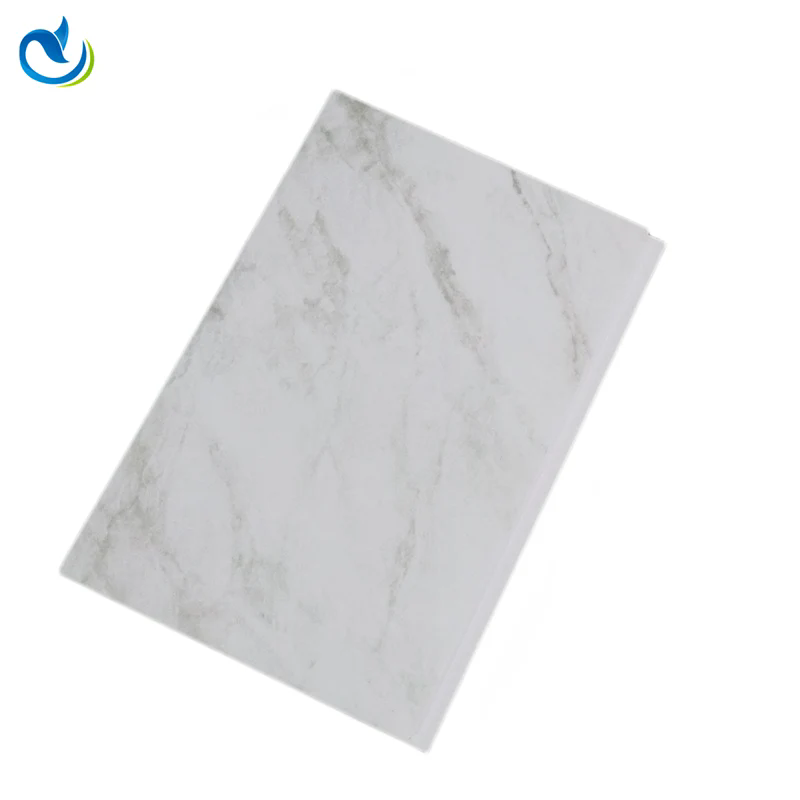
Table of Contents
- What Are PVC Wall Panels?
- Why Choose PVC Wall Panels?
- How to Install PVC Wall Panels
- Types and Designs of PVC Wall Panels
- Maintenance and Care
- FAQ
What Are PVC Wall Panels?
PVC wall panels are decorative and protective wall coverings made from polyvinyl chloride. They offer an innovative alternative to traditional wall materials like paint, wood, or tiles. Their lightweight structure and modular design make them ideal for both residential and commercial spaces.
Key Features
- Durability: Resistant to moisture, fire, and scratches.
- Low Maintenance: Easy to clean with basic household products.
- Lightweight: Simple to transport and install without heavy machinery.
- Eco-Friendly Options: Many panels are recyclable and contain minimal toxic chemicals.
Applications
PVC wall panels can be used in:
- Residential interiors: kitchens, bathrooms, living rooms
- Commercial spaces: offices, hotels, retail stores
- Public facilities: hospitals, schools, recreational centers
Why Choose PVC Wall Panels?
Understanding why PVC wall panels are preferred by homeowners and interior designers can help solve common pain points associated with wall decoration.
Benefits of PVC Wall Panels
| Problem | Solution Provided by PVC Panels |
|---|---|
| High maintenance of painted walls | Easy cleaning and stain resistance |
| Moisture damage in bathrooms/kitchens | Waterproof surface prevents mold and peeling |
| Complex installation of tiles or wood | Quick and modular installation reduces labor time |
| Limited design flexibility | Variety of textures, colors, and patterns available |
Cost-Effectiveness
PVC wall panels are significantly more affordable than natural wood or ceramic tiles, offering long-term savings in maintenance and durability.
How to Install PVC Wall Panels
Installation is straightforward and can be accomplished with basic tools, making it accessible for DIY enthusiasts or contractors alike.
Step-by-Step Installation
- Measure the wall and calculate the required number of panels.
- Prepare the wall surface by cleaning and leveling it.
- Cut panels to the appropriate size using a saw or utility knife.
- Apply adhesive to the wall or panel backing as recommended by the manufacturer.
- Attach the panels to the wall, starting from the bottom corner and working your way up.
- Seal edges and joints with silicone or matching trim to achieve a polished finish.
Tips for Best Results
- Always use a spirit level to ensure alignment.
- Leave a small expansion gap around edges to prevent buckling.
- Wear gloves and safety goggles when cutting panels.
Types and Designs of PVC Wall Panels
PVC wall panels come in a variety of styles to match different interior themes:
- Textured Panels: Imitate wood, stone, or fabric finishes for a high-end look.
- Glossy Panels: Reflect light and make spaces appear larger.
- Matte Panels: Offer subtle elegance and hide fingerprints or smudges.
- 3D Panels: Provide depth and visual interest with geometric or artistic designs.
Maintenance and Care
Maintaining PVC wall panels is simple, addressing a key customer concern: keeping interiors looking fresh without heavy effort.
- Use a soft cloth or sponge with mild detergent for routine cleaning.
- Avoid abrasive materials that may scratch the surface.
- Check joints and edges periodically for moisture infiltration in high-humidity areas.
- Repair minor scratches with touch-up paints or surface polish if needed.
FAQ
1. Are PVC wall panels waterproof?
Yes, PVC wall panels are highly water-resistant, making them suitable for kitchens, bathrooms, and other humid environments.
2. Can I install PVC panels myself?
Absolutely. With the right tools and clear instructions, DIY installation is feasible and often more cost-effective than hiring professionals.
3. How long do PVC wall panels last?
With proper care, PVC wall panels can last 10–20 years, maintaining their appearance and structural integrity.
4. Are PVC panels environmentally friendly?
Many panels are recyclable and manufactured using processes that minimize harmful emissions, offering a greener alternative to traditional materials.
5. Can PVC panels be painted?
Yes, certain types of PVC panels can be painted with compatible paints, allowing for color customization.
For high-quality PVC wall panels, Zhejiang Arris Import & Export Co., Ltd. offers a wide range of designs and solutions that suit both residential and commercial spaces. Explore our products and enhance your interiors today. Contact us for more information and personalized assistance.