

Summary: SPC (Stone Plastic Composite) wall panels are becoming increasingly popular in contemporary interior design due to their durability, water resistance, and aesthetic versatility. This article explores the benefits, installation tips, material specifications, and answers frequently asked questions to help homeowners, designers, and contractors make informed decisions.
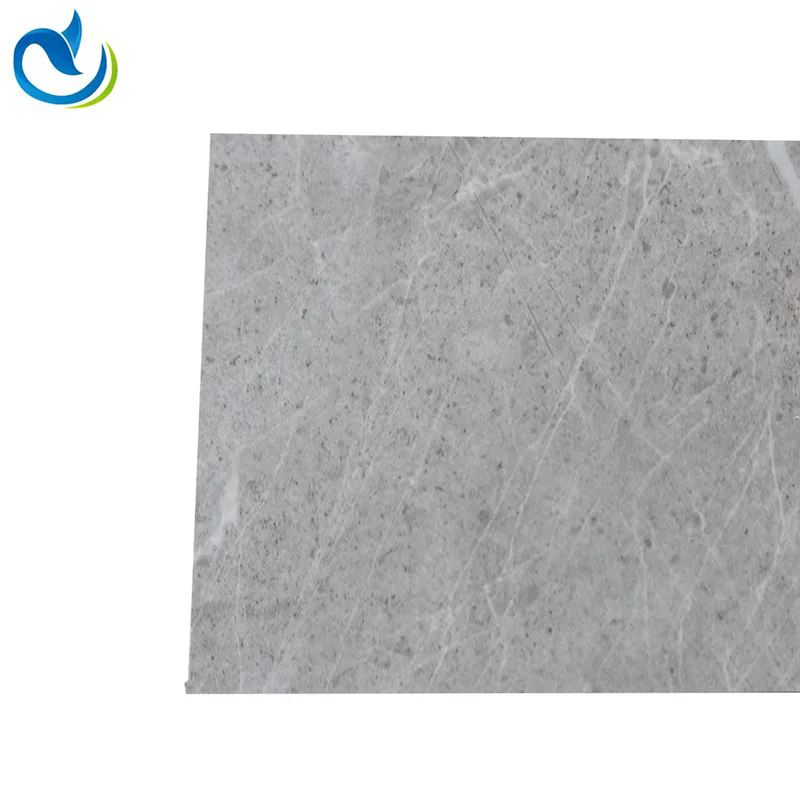
Table of Contents
- What Are SPC Wall Panels?
- Advantages of SPC Wall Panels
- Installation Tips for SPC Wall Panels
- SPC Wall Panels vs Other Materials
- Design Ideas and Applications
- Maintenance and Care
- FAQ
- Contact Arris
What Are SPC Wall Panels?
SPC wall panels are composed of natural stone powder, polyvinyl chloride (PVC), and stabilizers, forming a rigid, waterproof, and durable surface. Unlike traditional wall coverings, SPC panels offer a combination of elegance and practicality, suitable for both residential and commercial spaces.
- Material Composition: Stone powder, PVC, stabilizers
- Thickness: Typically 4–8 mm
- Surface Finish: Matte, gloss, or textured designs
Arris provides a wide variety of SPC wall panels, offering customizable colors and patterns to meet diverse design requirements. Learn more about our products here.
Advantages of SPC Wall Panels
SPC wall panels bring several benefits that address common pain points for homeowners and designers:
| Feature | Benefit |
|---|---|
| Waterproof | Ideal for kitchens, bathrooms, and humid environments |
| Durable | Resistant to scratches, dents, and impact |
| Easy Maintenance | Wipes clean with minimal effort |
| Variety of Styles | Multiple textures and colors for modern aesthetics |
| Quick Installation | Click-lock systems reduce labor costs |
Installation Tips for SPC Wall Panels
Proper installation is essential to maximize the performance and longevity of SPC wall panels. Here are key steps and tips:
- Surface Preparation: Ensure walls are clean, dry, and level before installation.
- Measurement: Accurately measure panels and wall space to avoid wastage.
- Cutting: Use a fine-tooth saw for precise cuts without chipping.
- Adhesive or Click-Lock: Choose the appropriate installation method based on wall type.
- Sealing: Apply edge sealants in wet areas to enhance waterproofing.
SPC Wall Panels vs Other Materials
Comparing SPC panels to other common wall materials can help you choose the right solution:
| Material | Durability | Maintenance | Water Resistance | Cost |
|---|---|---|---|---|
| SPC Wall Panels | High | Low | Excellent | Moderate |
| Paint | Medium | Medium | Poor | Low |
| Tile | Very High | Medium | Excellent | High |
Design Ideas and Applications
SPC wall panels are versatile for various design themes:
- Residential Spaces: Living rooms, bedrooms, kitchens, and bathrooms
- Commercial Spaces: Offices, retail stores, hotels, and restaurants
- Accent Walls: Use contrasting colors or textures for statement walls
- Ceilings: Water-resistant panels can create stylish ceiling designs
Maintenance and Care
Maintaining SPC wall panels is straightforward:
- Wipe with a damp cloth for everyday cleaning
- Use mild detergent for stubborn stains
- Avoid abrasive scrubbing to prevent surface damage
- Regularly inspect for gaps or edges lifting in wet areas
FAQ
Q1: Can SPC wall panels be used in high-humidity areas?
A: Yes, SPC panels are fully waterproof, making them ideal for bathrooms, kitchens, and basements.
Q2: How long do SPC wall panels last?
A: With proper installation and care, SPC panels can last over 15 years without losing appearance or performance.
Q3: Are SPC panels easy to replace?
A: Yes, the click-lock installation system allows individual panels to be replaced without removing the entire wall.
Q4: Can I paint SPC panels?
A: Painting is not recommended as the surface is designed to retain its finish; however, decorative decals or vinyl wraps can be applied.
Contact Arris
If you are looking to transform your interiors with high-quality SPC wall panels, Arris is here to help. Explore our full range of SPC wall panels and take the first step towards durable and stylish walls. Contact us today for more information and personalized consultation.