

How Soundproof WPC Wall Panels Improve Modern Interior Acoustics
Soundproof WPC Wall Panels are becoming an increasingly discussed material option in modern interior construction as architects, designers, and building operators pay closer attention to indoor acoustic conditions. Noise from conversations, office equipment, entertainment systems, and surrounding activities can affect comfort and concentration. As a result, wall finishing materials are being evaluated not only for appearance and durability but also for their potential contribution to sound management.
Growing Attention to Indoor Acoustic Comfort
Acoustic comfort has become an important consideration in residential, commercial, and public building projects. Open-plan offices, apartment buildings, meeting rooms, hotels, and educational facilities often experience different types of noise transmission. Hard interior surfaces, including concrete, glass, and conventional decorative panels, can reflect sound waves and contribute to reverberation.
These conditions have encouraged greater interest in wall systems that combine decorative functions with acoustic considerations. Wood-plastic composite materials, commonly known as WPC, are one category receiving attention in this development. Their combination of wood-based components and thermoplastic materials provides a manufactured alternative to certain traditional wall finishing products.
Understanding the Material Structure
WPC wall panels are generally manufactured using wood fibers or wood flour combined with polymers and processing additives. The specific composition varies according to the production process and intended application. Surface treatments, panel profiles, thicknesses, and internal structures can also differ between product types.
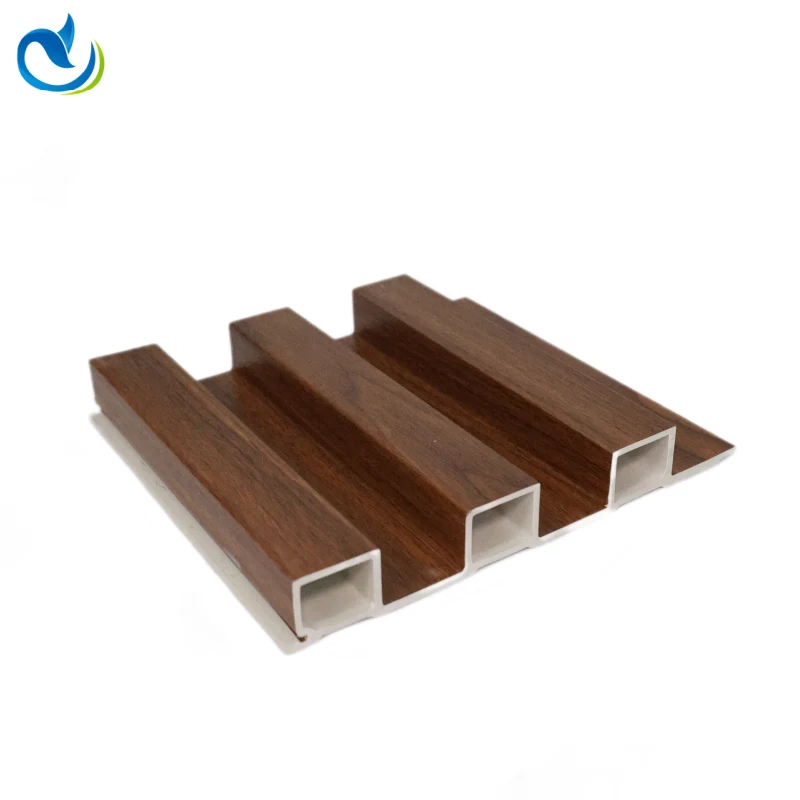
Soundproof WPC Wall Panels are often discussed in relation to their surface design and installation structure. Some products feature grooves, textured surfaces, or hollow profiles, while others are designed with additional backing materials. These characteristics may influence how sound behaves around the wall assembly, although appearance and material composition alone cannot establish a panel's sound insulation performance.
How Wall Panels Influence Acoustic Performance
Understanding the relationship between sound absorption and sound insulation is essential when evaluating acoustic wall materials. Sound absorption refers to the reduction of reflected sound energy within a room. Sound insulation, in contrast, concerns the reduction of sound transmission from one space to another. These are related but different performance characteristics.
Decorative WPC panels may contribute to interior acoustic treatment when used as part of a properly designed system. For example, perforated or grooved surfaces combined with suitable acoustic backing and an appropriate air cavity may help manage sound reflections. However, a standard solid decorative panel should not automatically be considered a soundproof barrier.
Effective sound insulation usually depends on several factors, including wall mass, airtight construction, structural connections, cavity design, and the performance of the complete wall assembly. Doors, windows, electrical openings, and joints can also create sound transmission paths that reduce the effectiveness of an otherwise well-designed wall.
Applications Across Different Building Environments
In residential interiors, acoustic wall treatments may be considered for bedrooms, living rooms, home offices, and entertainment spaces. The objective is often to improve the indoor listening environment and reduce excessive reverberation rather than completely eliminate external noise.
Commercial buildings present another application area. Offices, conference rooms, reception areas, and hospitality interiors require materials that address both visual coordination and daily operational requirements. Soundproof WPC Wall Panels may be considered within these projects when their documented acoustic characteristics, installation requirements, and decorative properties match the design objectives.
Educational and public facilities also require careful acoustic planning. Classrooms, libraries, and multipurpose rooms benefit from appropriate sound control because excessive reverberation can make speech less intelligible. In these settings, wall finishes should be selected as part of a broader acoustic strategy that considers ceilings, flooring, furniture, and room geometry.
Important Factors in Material Selection
When specifying WPC wall panels, project teams need to examine more than product appearance. Relevant considerations include panel dimensions, density, moisture resistance, surface durability, fire performance, and installation compatibility. Environmental conditions and maintenance requirements should also be assessed before a material is selected.
For projects with defined acoustic targets, manufacturers should provide appropriate laboratory test documentation. Measurements such as the sound absorption coefficient and Noise Reduction Coefficient (NRC) may help describe absorption performance, while Sound Transmission Class (STC) ratings are used to evaluate airborne sound insulation in applicable building assemblies. These values should be interpreted according to the relevant testing standards and actual installation conditions.
Soundproof WPC Wall Panels should therefore be evaluated as part of a complete interior wall system rather than as an isolated decorative product. Professional acoustic assessment can help determine whether additional insulation, resilient connections, sealing materials, or dedicated acoustic layers are necessary.
Industry Outlook
The development of interior finishing materials increasingly reflects the need to balance appearance, functional performance, installation efficiency, and building requirements. WPC technology offers flexibility in surface design and material processing, while acoustic applications require more precise attention to product structure and verified test results.
As building standards and expectations for indoor comfort continue to evolve, cooperation between material manufacturers, architects, contractors, and acoustic consultants will remain important. Clear technical specifications and transparent performance data can help project stakeholders distinguish decorative benefits from measurable acoustic capabilities.
Ultimately, Soundproof WPC Wall Panels illustrate the growing intersection between composite material development and modern acoustic design. Their contribution to quieter indoor environments depends on the characteristics of the specific product, the surrounding wall construction, and the acoustic requirements of each building project.