
Products

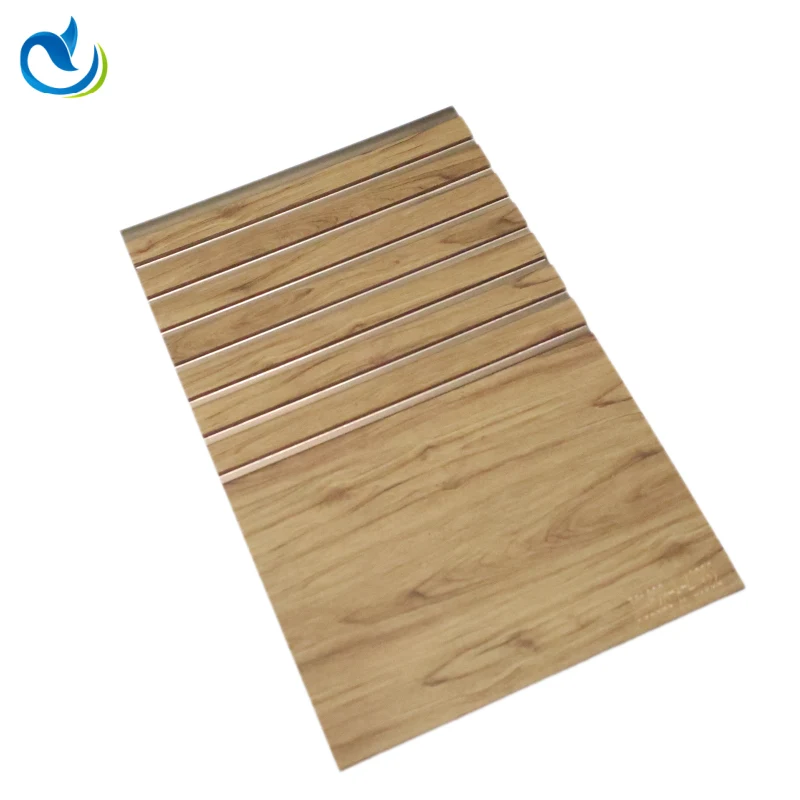
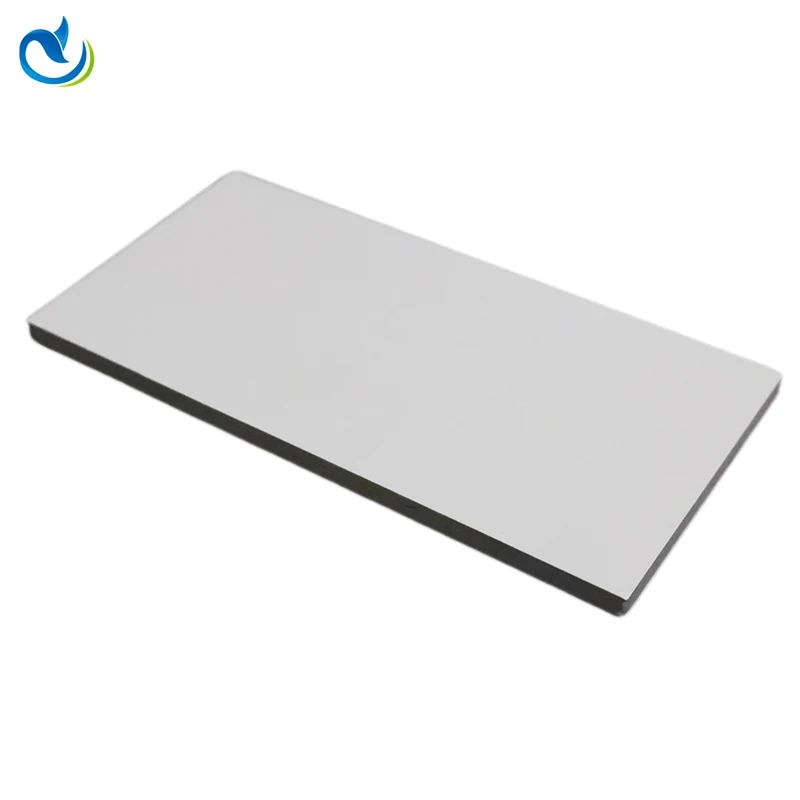
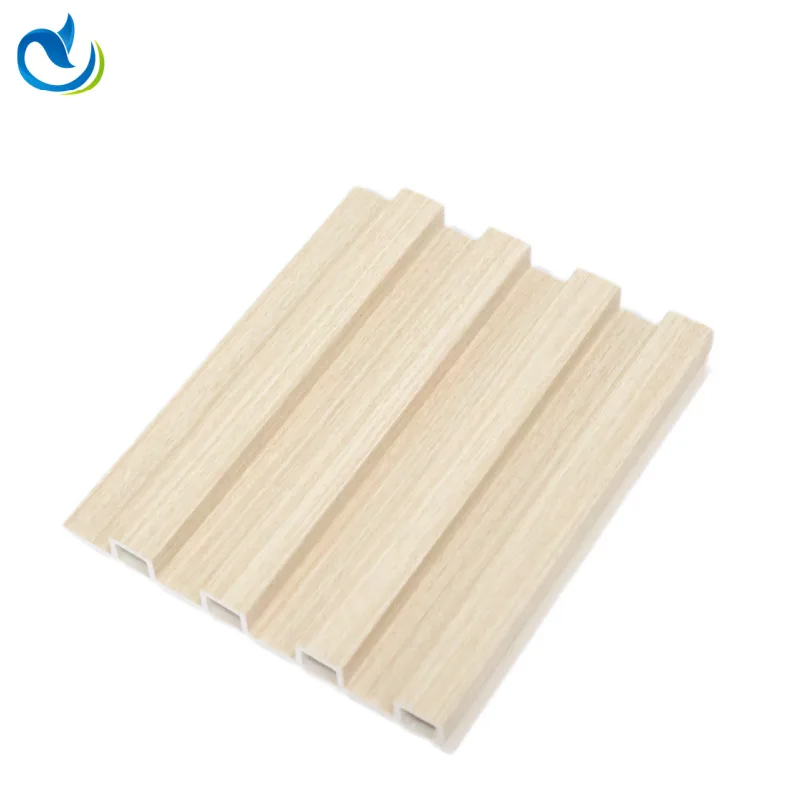
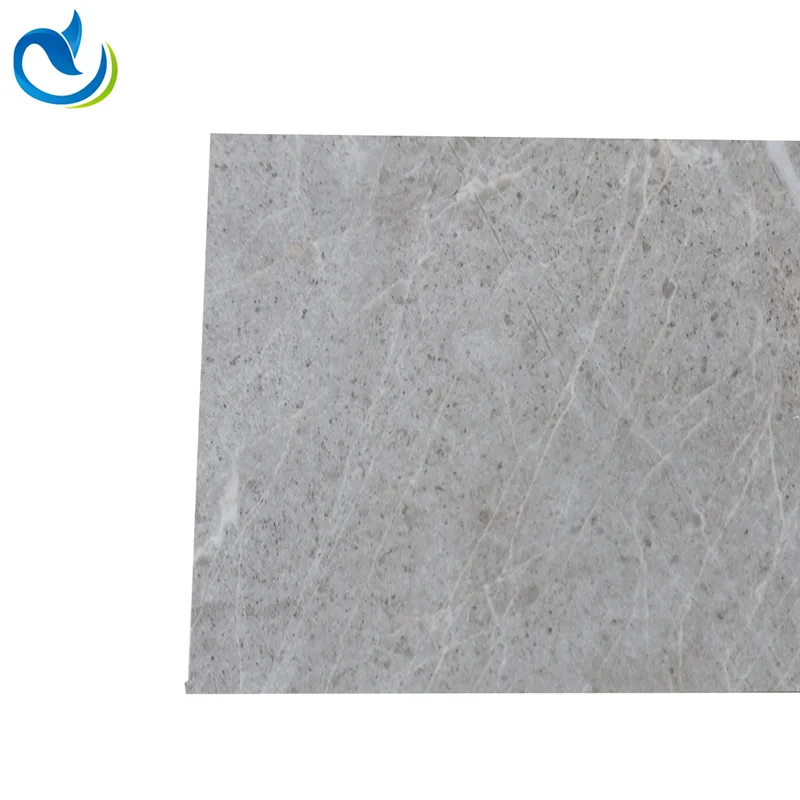
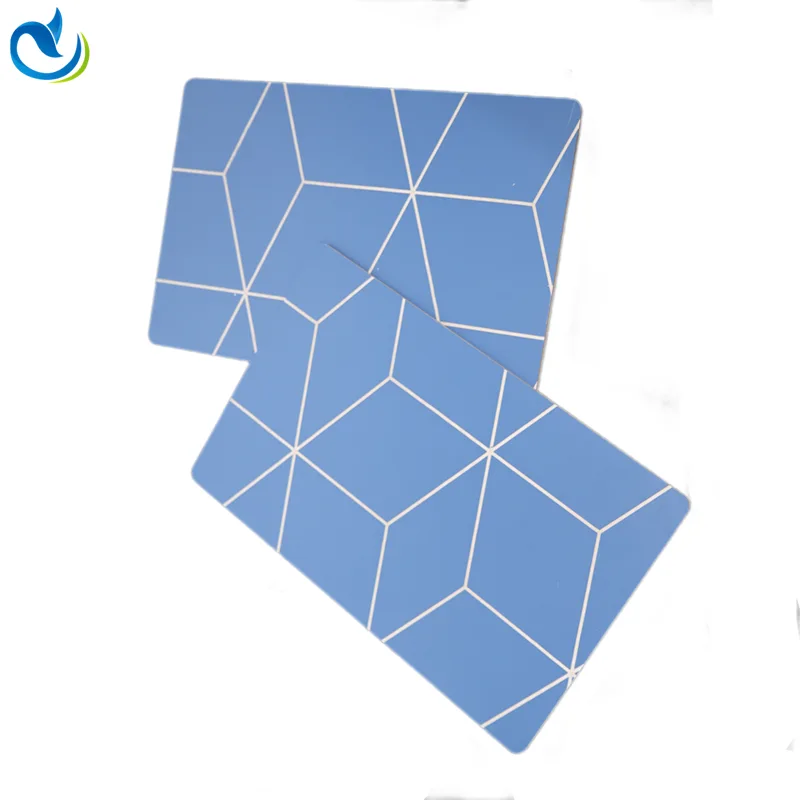
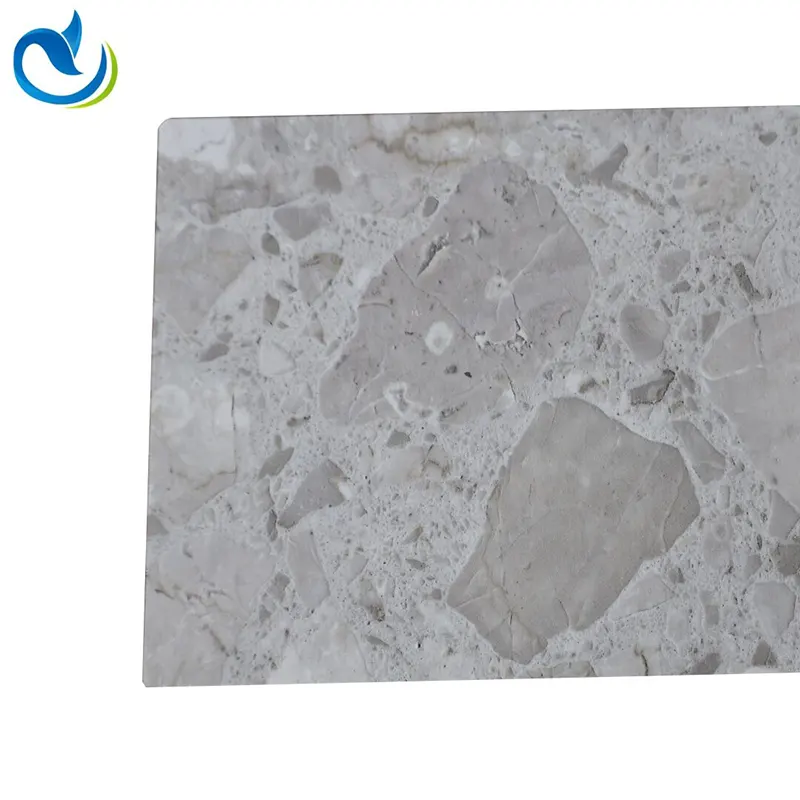
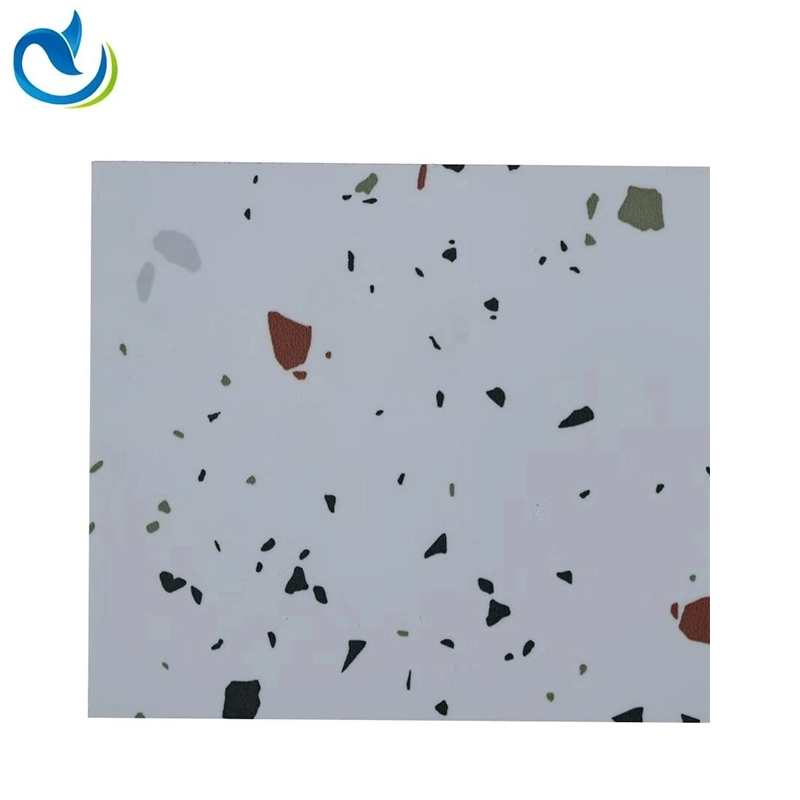
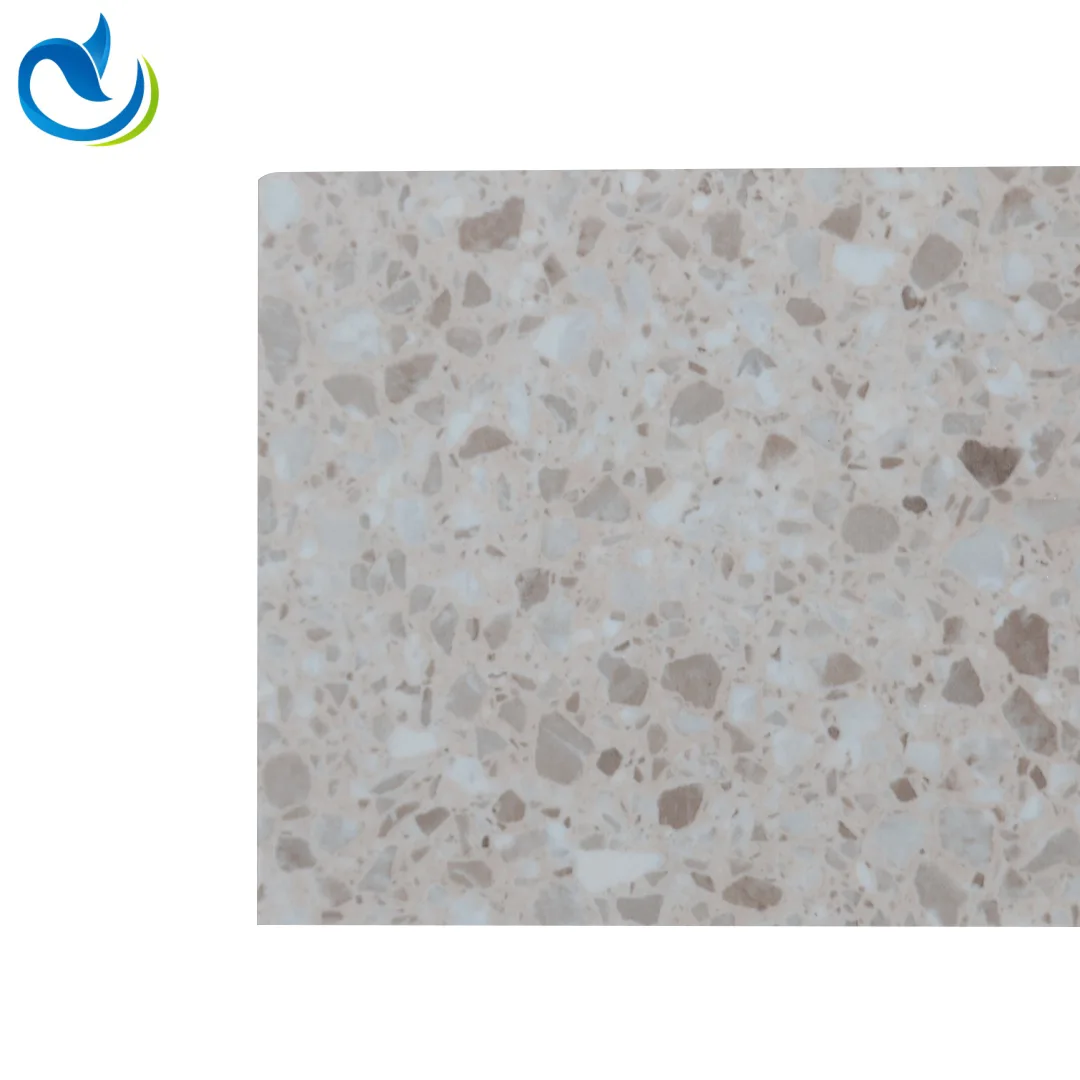
Faux Stone SPC Wall Panels
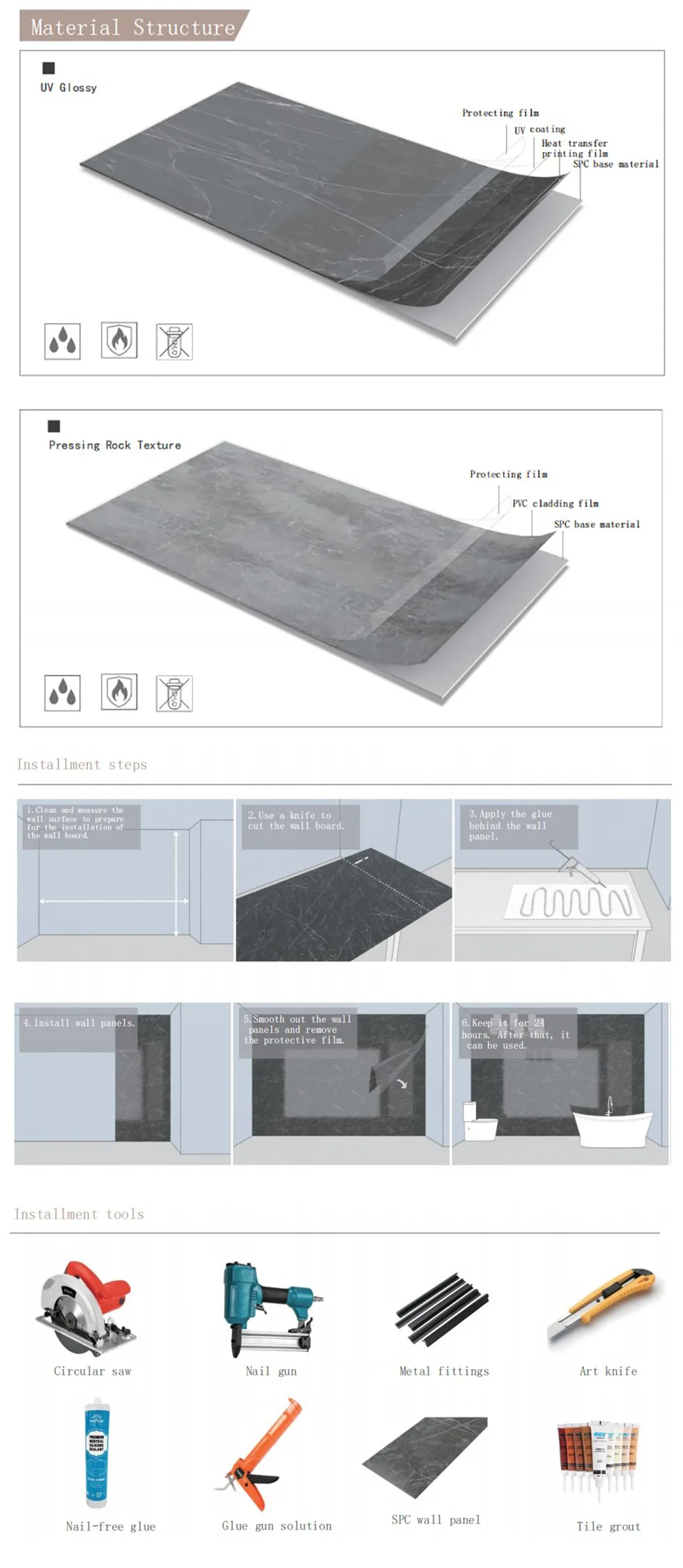
SPC wall boards are a new type of environmentally friendly decorative material that has been widely used in the field of interior decoration in recent years.It is mainly made of natural stone powder and crystals, and is processed through special techniques.Faux Stone SPC wall panels not only retain the texture and beauty of natural stone, but also overcome the disadvantages of traditional stone such as heavy weight, fragility, and complex installation.
Send Inquiry
Product Description
Faux Stone SPC wall panels are performance-integrated wall panels that incorporate advanced technology
From a technical perspective, the Faux Stone SPC Wall Panels employ advanced extrusion molding technology, resulting in a tightly structured and uniformly dense internal structure of the panels, thereby achieving outstanding physical properties.In summer, it can prevent the intrusion of external heat and lower the indoor temperature, achieving the effect of energy conservation and emission reduction.In addition, the sound insulation index of sound insulation SPC wall panels reaches 25dB, which can effectively isolate external noise and provide a peaceful and comfortable living environment for residents.
The SPC wall sheets have a very high degree of applicability in various scenarios
In terms of application scenarios, Faux Stone SPC Wall Panels can meet the aesthetic demands of different consumers due to their diverse styles and designs, such as American style, new Chinese style, modern minimalist, and luxury style.Whether it is the living room or kitchen in home decoration, or the office or hotel in commercial space, SPC wall sheets can add elegance and fashion to the space with their unique charm.In particular, the seamless design of the product not only enhances the overall decoration effect but also eliminates the gap issues at the seams of traditional wall panels, thereby improving the overall aesthetic appeal.
Certificate
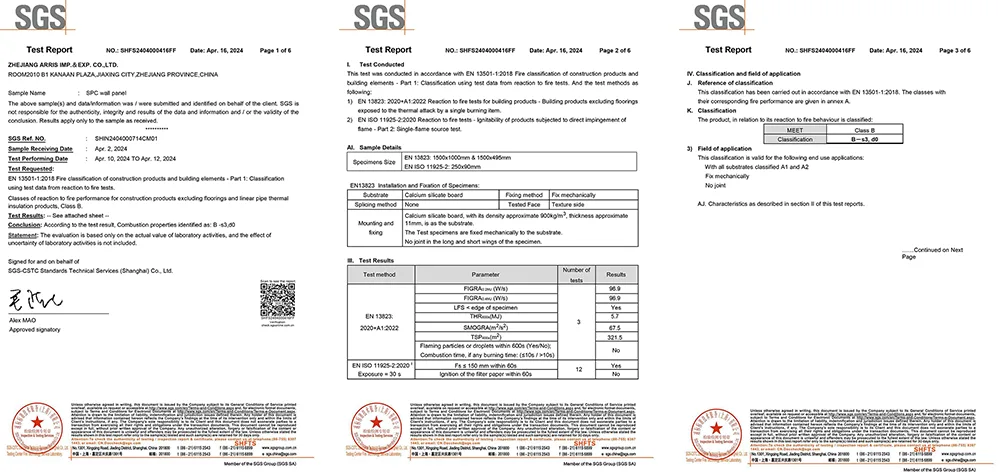
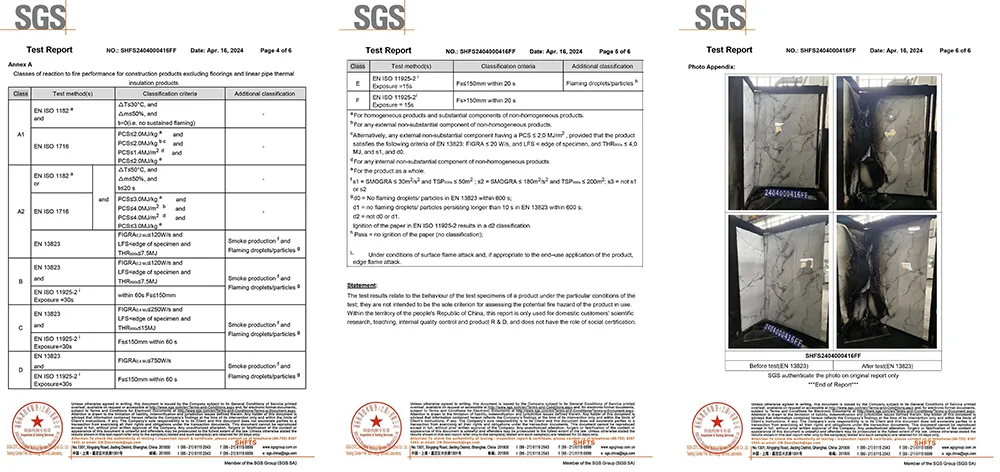
Complying with industry safety standards, safeguarding the health of the entire family of our customers
In terms of industry standards, the production process of Arris SPC waterproof wall panels strictly follows SGS standards to ensure that the products are non-toxic and harmless, meeting the requirements of healthy living.Meanwhile, its material is stable, not prone to deformation or cracking, and has a long service life, significantly reducing the maintenance costs in the later stage.
Hot Tags: Faux Stone SPC Wall Panels
Related Category
WPC Wall Panels
PVC Wall Panels
Carbon Crystal Wall Panels
Bamboo Charcoal Wall Panels
PS Wall Panels
Acoustic Wall Panels
SPC Wall Panels
PE Panels
Send Inquiry
Please feel free to give your inquiry in the form below. We will reply you in 24 hours.