
Products

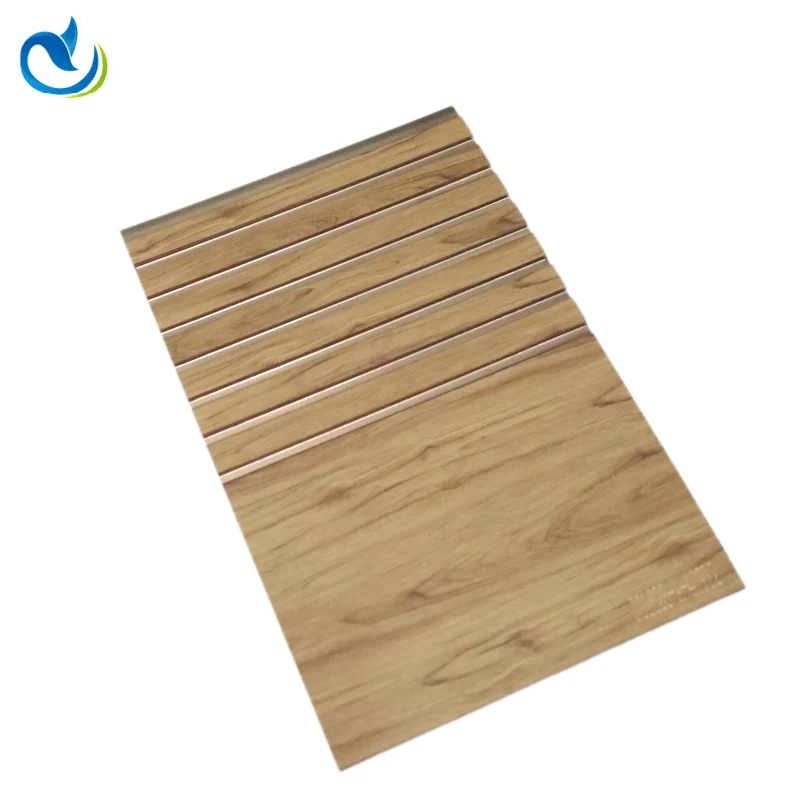
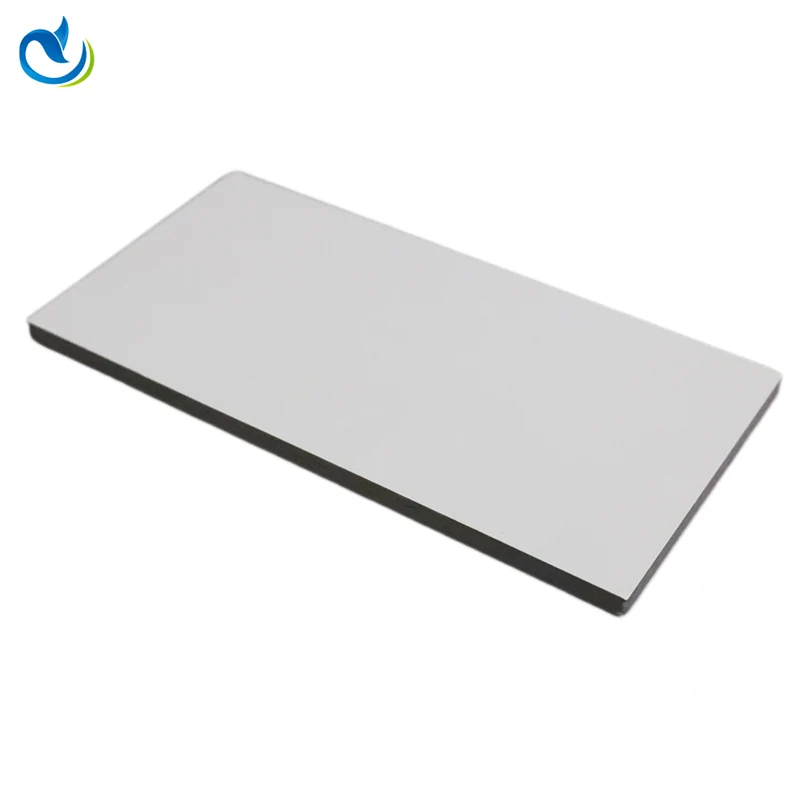
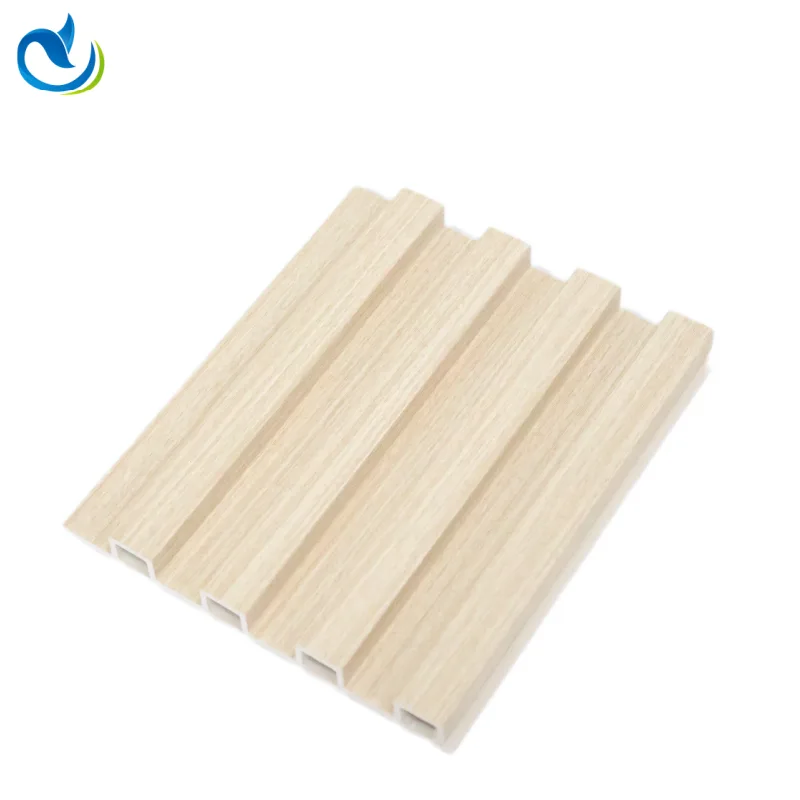
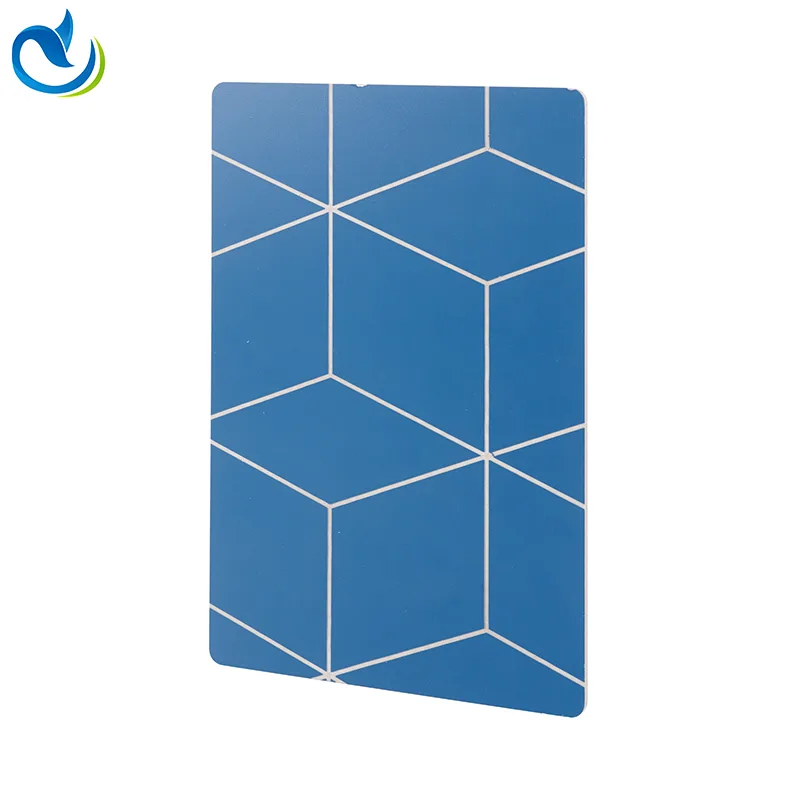
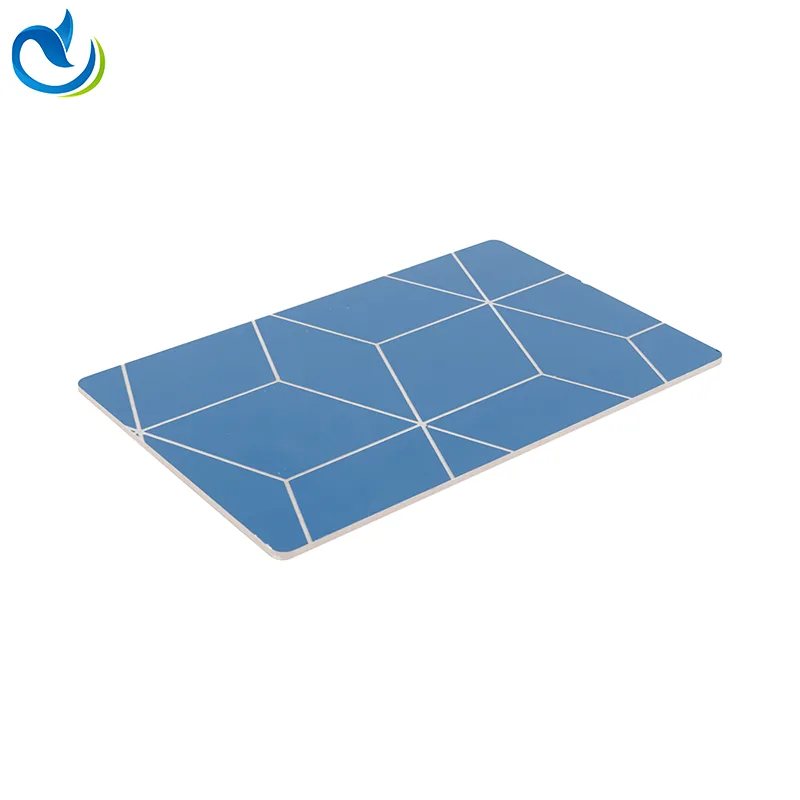
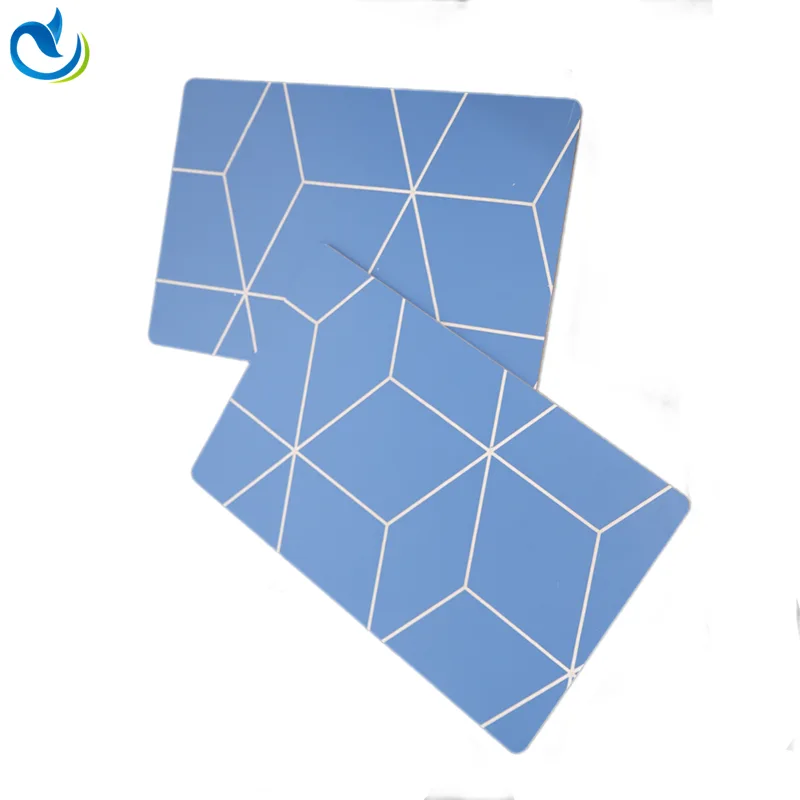
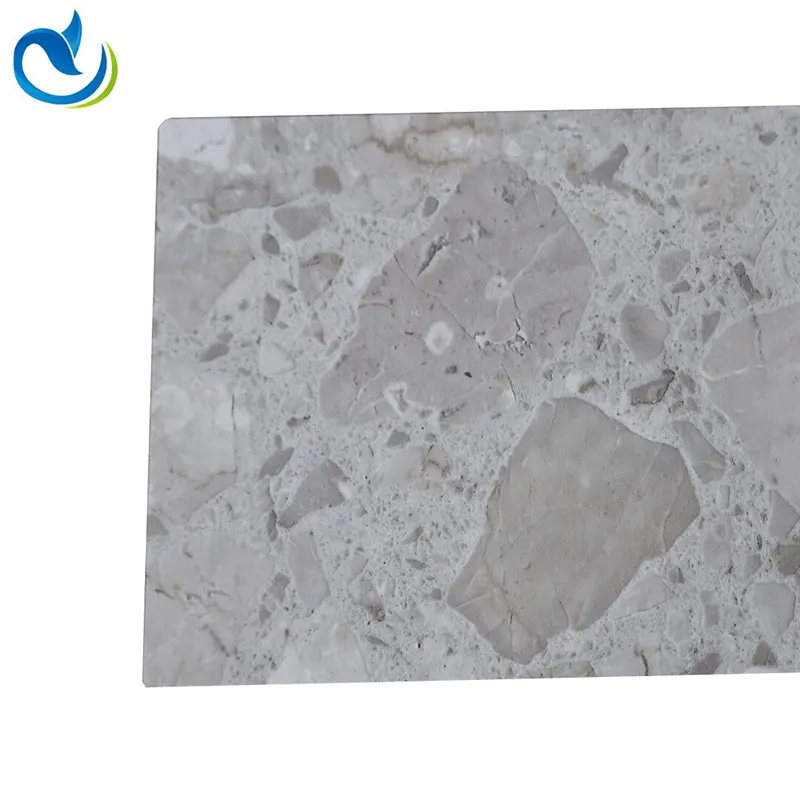
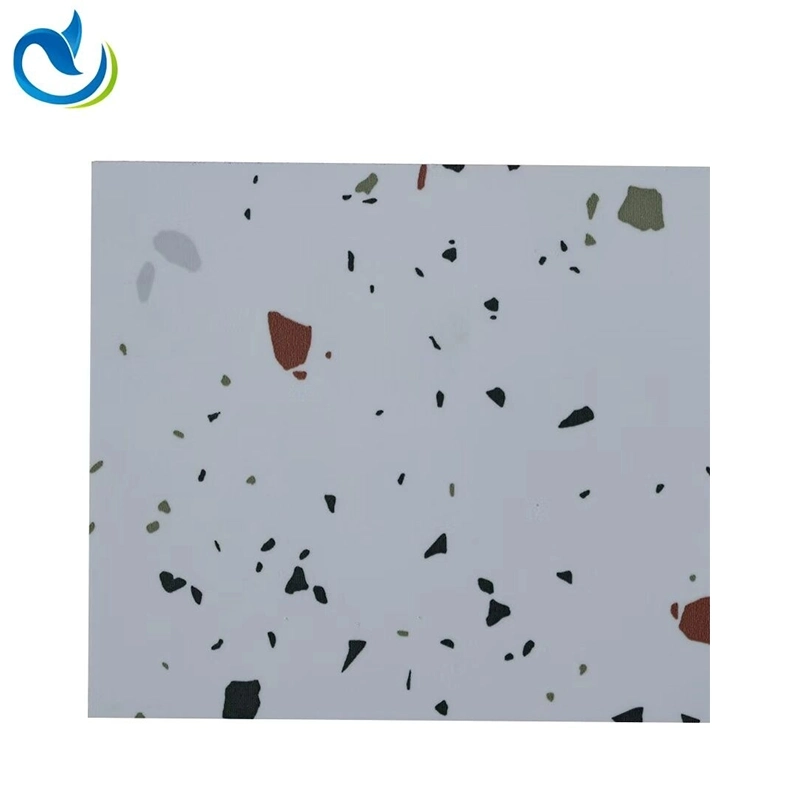
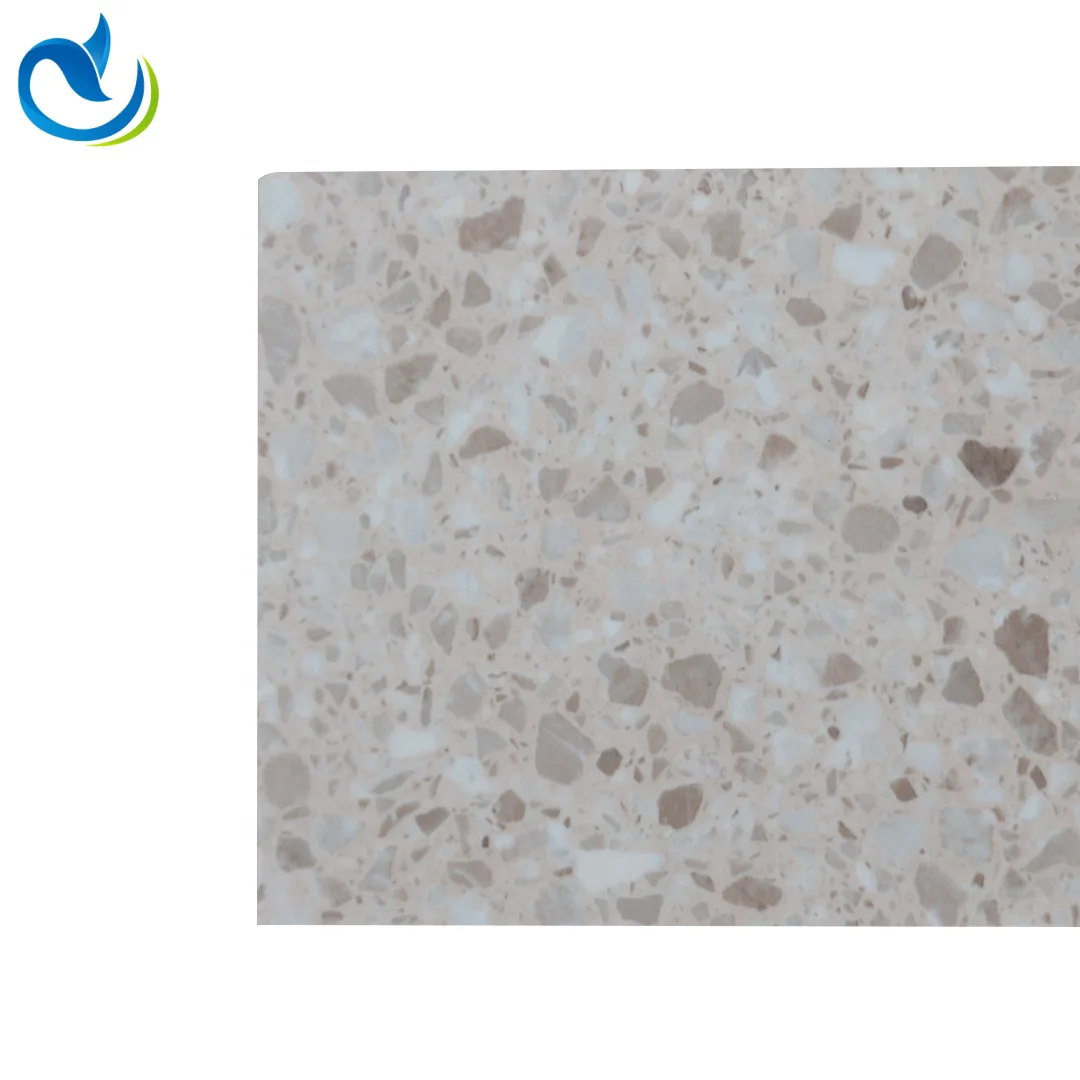
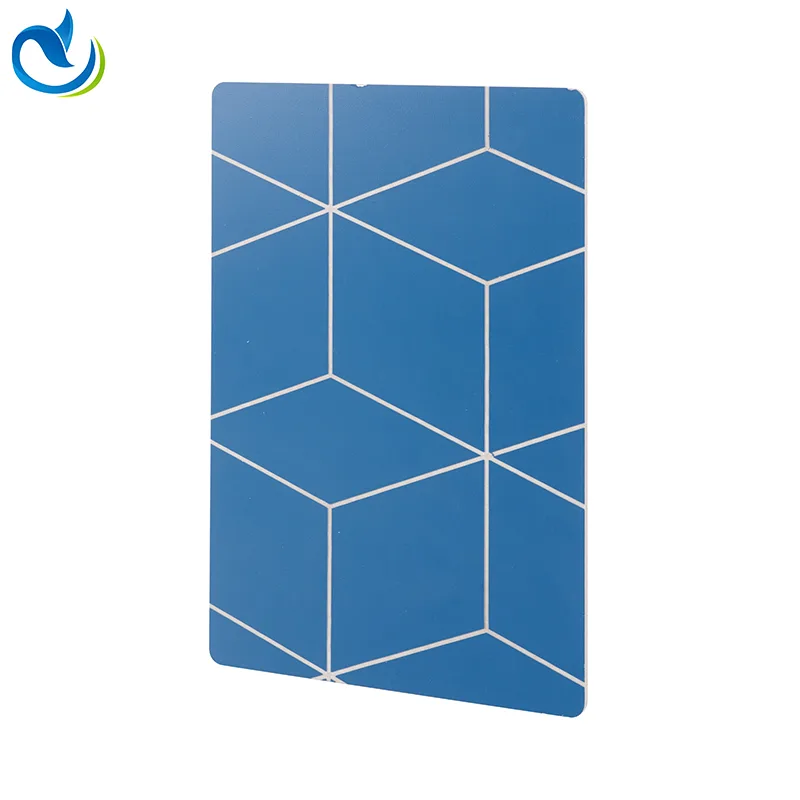
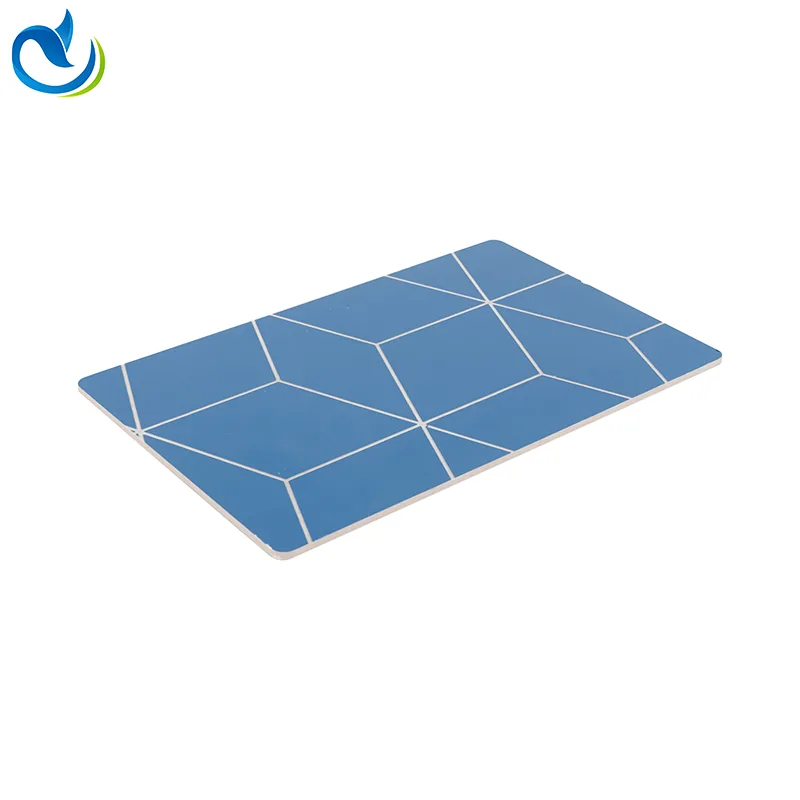
Fireproof SPC Wall Panels For Kitchens
Fireproof SPC wall panels for kitchens are one of the fastest-growing decorative materials in the global construction industry.It is primarily made from calcium carbonate, resin, and functional additives, extruded and laminated into a durable and robust panel.
Send Inquiry
Product Description
Why SPC wall panels are suitable for your market?
In South America, high humidity, frequent rainstorms, and tropical heat often damage traditional wall materials.In the Middle East, the high temperatures, intense ultraviolet rays and dusty environment require the products to be stable and easy to clean.Across the entire Belt and Road market, rapid urbanization and large-scale infrastructure projects require materials that can reduce labor costs and shorten construction timelines.The Fireproof SPC wall panels for kitchens meet all these requirements.
Main Advantages for Kitchen Applications
100% Waterproof — No Swelling, No Mold
SPC wall panels do not expand, deform, or support mold growth. Water absorption is typically below 0.5%, and the closed-cell core is non-porous throughout. This makes them ideal for kitchens, bathrooms, basements, hotel back-of-house areas, and coastal projects. In kitchen environments specifically, the absence of grout lines eliminates the primary hiding place for grease, food particles, and mold spores.
Fire Resistance — B1 Standard, A2 Available on Select Products
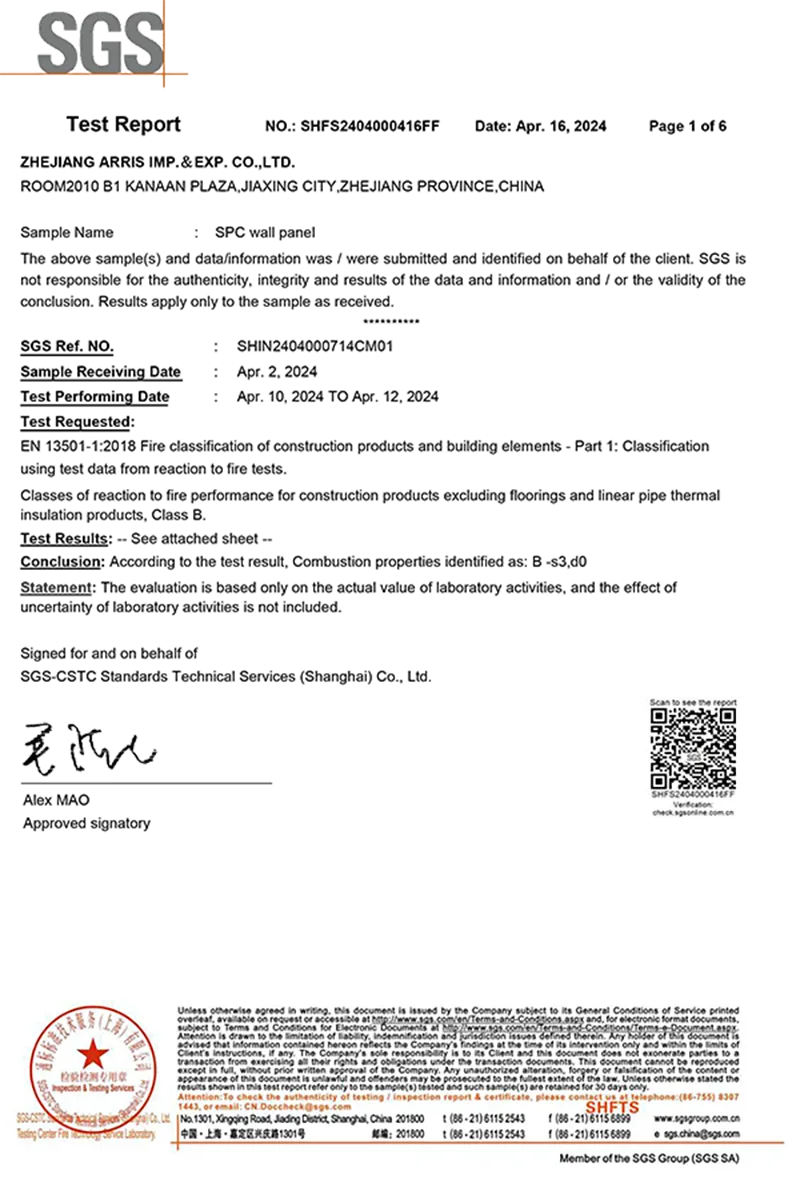
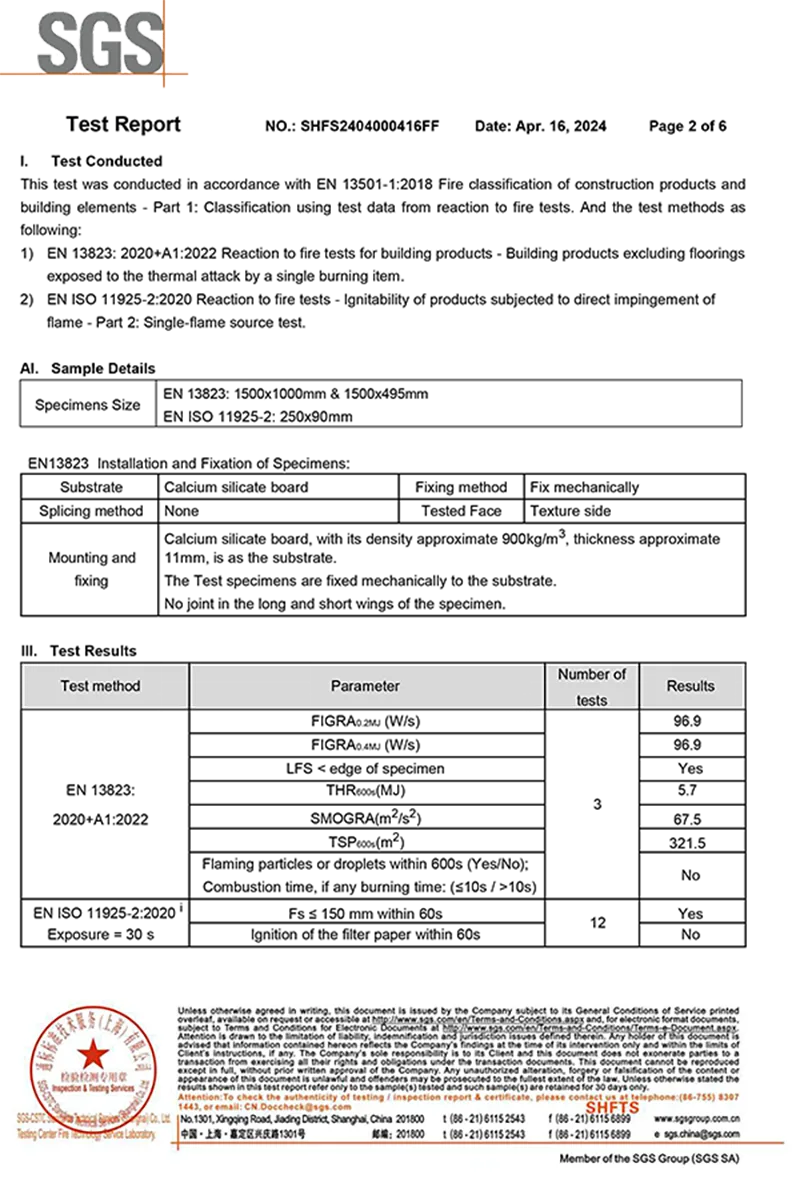
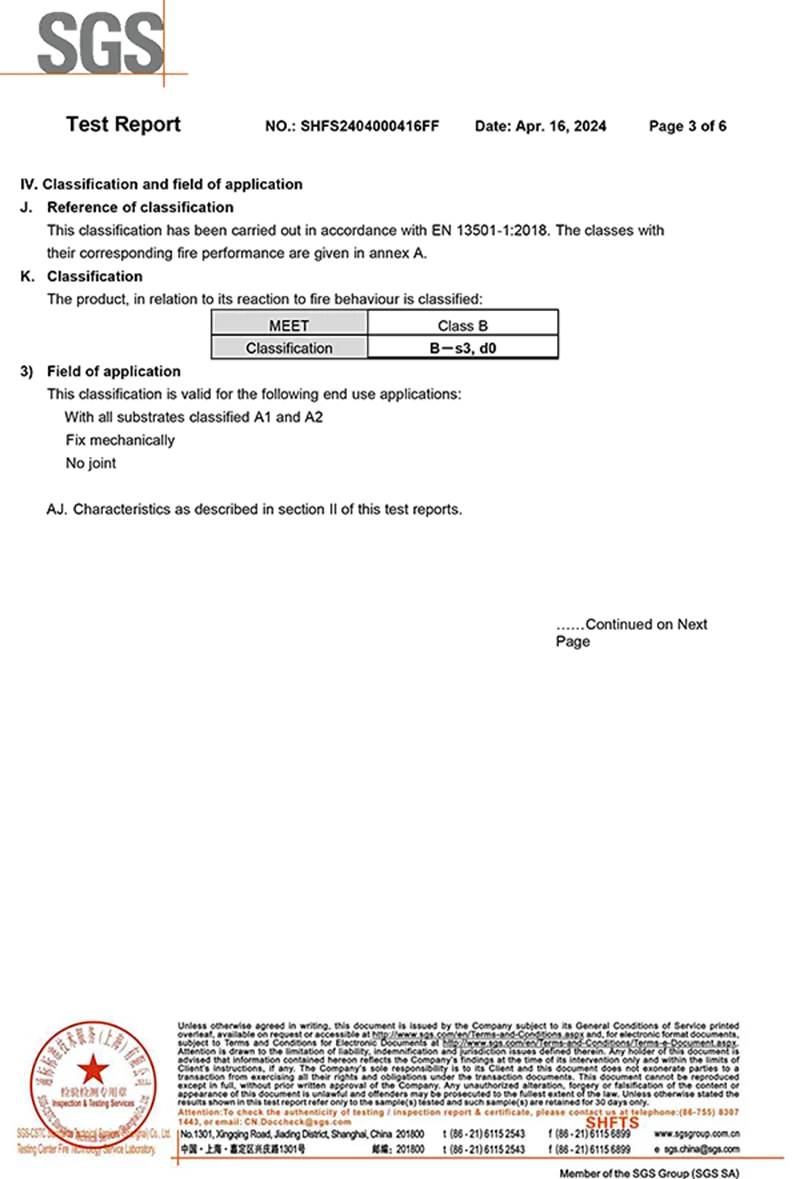
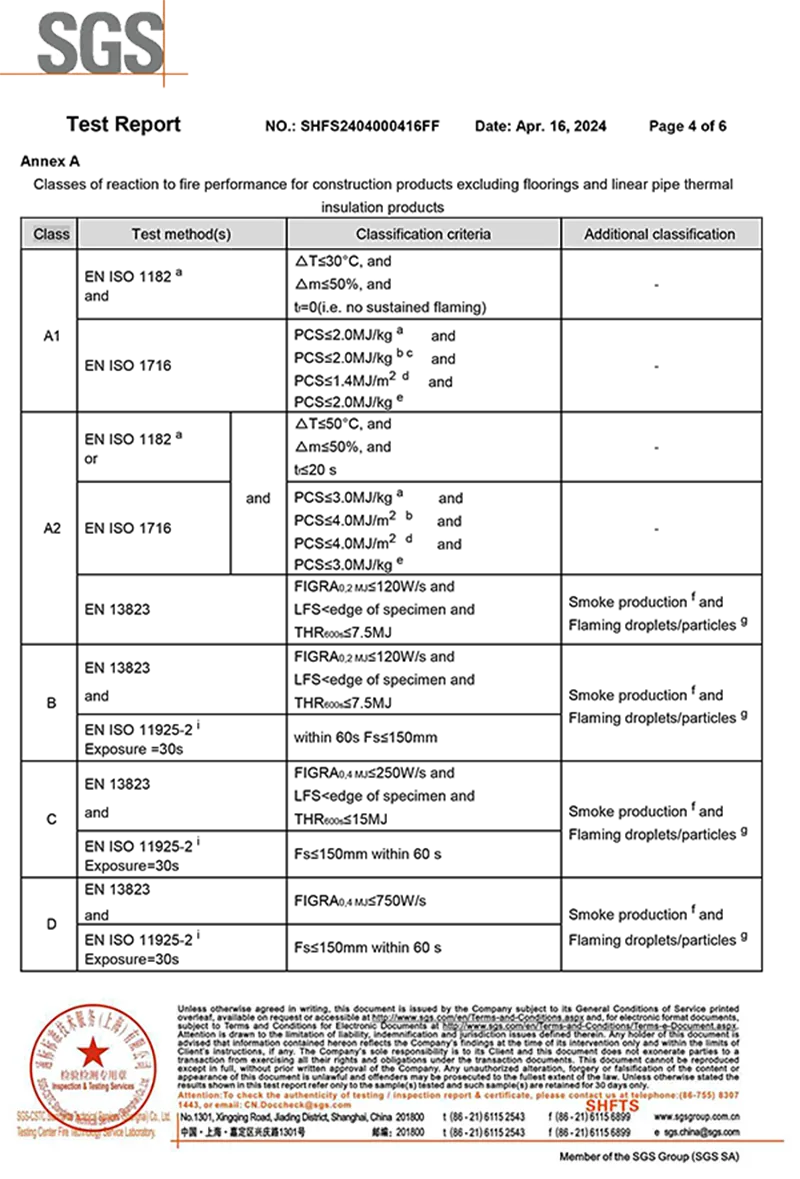
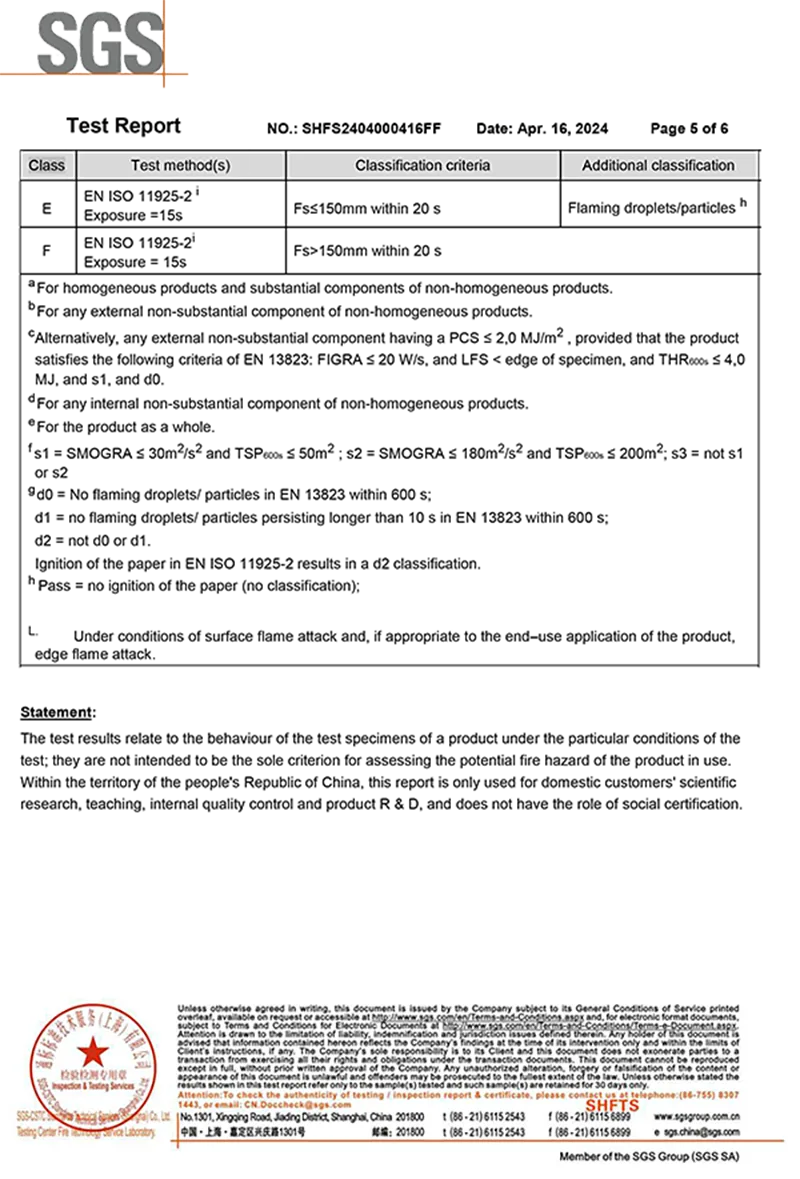
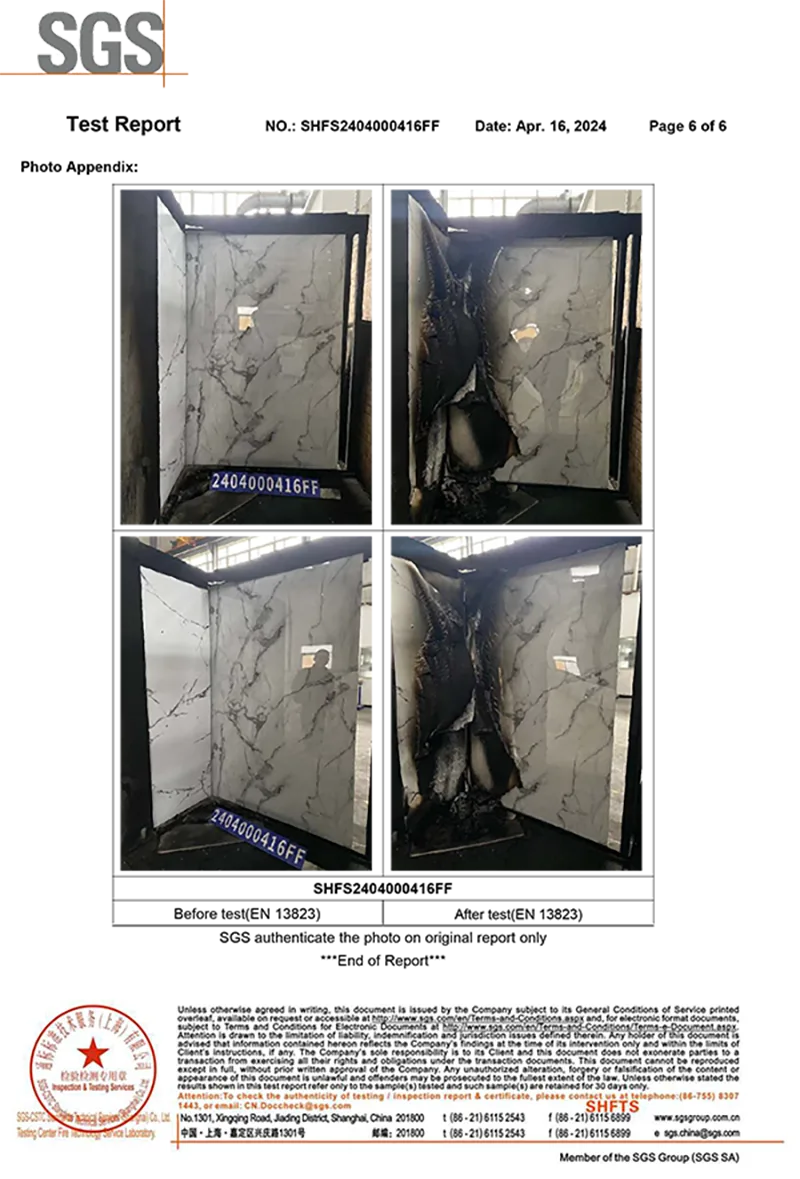
Our standard panels achieve a B1 fire resistance rating and are self-extinguishing. Select product lines are available with A2 fire resistance for projects requiring non-combustible classification. These ratings help projects meet strict fire safety standards in commercial kitchens, hospitality, and public buildings. Fire test documentation is available for building permit submittals.
Fast Installation — 50–80 m² per Worker per Day
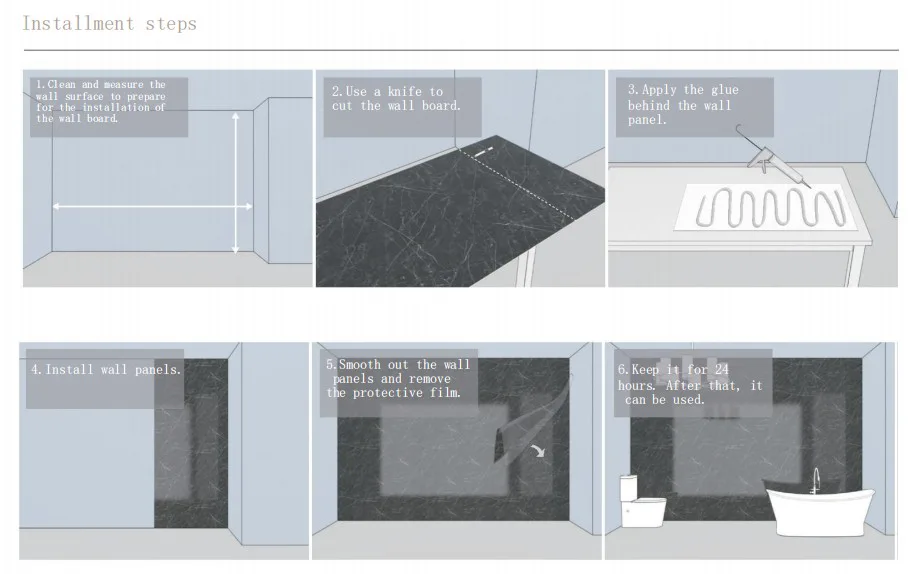
Ordinary workers can install 50–80 square meters per person per day, which is 3–5 times faster than ceramic tile. The modular click-lock system or direct adhesive application eliminates substrate preparation, adhesive curing, grouting, and sealing. For commercial kitchen fit-outs and multi-unit residential projects, this speed directly reduces labor cost and shortens handover schedules.
Low Maintenance — Damp-Cloth Cleaning Is Sufficient
The UV-cured surface resists grease, stains, and daily wear. Cleaning requires only a damp cloth — no abrasive chemicals, no specialty stone cleaners, no regrouting. In commercial kitchens and residential cooking areas, this translates to lower cleaning labor and longer surface life.
Environmental Protection — Zero Added Formaldehyde, 100% Recyclable
Every SPC wall panel on the Arris production line is manufactured with zero added formaldehyde and no glue-based bonding. The material is 100% recyclable at end of life. Formaldehyde emissions meet E0 or non-detectable thresholds, and the panels carry China Environmental Label and FloorScore® certification. For green-certified projects and environmentally conscious markets, this provides documented compliance rather than unverified claims.
Technical Specifications
|
Parameter |
Standard Range |
|
Core Material |
Calcium carbonate (60–70%), virgin PVC resin, functional additives |
|
Density |
1.9–2.1 g/cm³ |
|
Water Absorption |
<0.5% |
|
Fire Rating |
B1 standard; A2 available on select product lines |
|
Formaldehyde |
Zero added; E0 or non-detectable emission levels |
|
Surface |
UV coating, embossed, high-gloss, matte, 3D texture |
|
Installation |
Click-lock system or structural adhesive |
|
Recyclability |
100% recyclable material |
Note: A2 fire rating availability varies by product line and thickness. Confirm the specific rating with our technical team for your project's code requirements.
Best Applications
Arris fireproof SPC wall panels are widely used in hotels, apartments, offices, shopping malls, hospitals, schools, and renovation projects. Specific kitchen-related applications include:
Commercial kitchen walls — grease-resistant, waterproof, easy to sanitize
Hotel kitchen and food preparation areas — fire-rated, low-maintenance
Residential kitchen backsplashes and full-wall cladding — no grout, no mold
Hospital and school cafeteria walls — hygienic, impact-resistant, easy to clean
Dark kitchens and food processing facilities — waterproof, chemically resistant surface
In South America, they are widely popular for residential upgrades and commercial interior decoration. In the Middle East, they have replaced natural stone in luxury hotels and villas. In Belt and Road countries, they support rapid, cost-effective housing and public construction projects.
Certifications & Manufacturing Credentials
Management Systems: ISO 9001 (Quality), ISO 14001 (Environmental)
Product Compliance: CE Marking, China Environmental Label, FloorScore®, REACH
Testing: SGS reports for fire rating (B1/A2), formaldehyde (E0), water absorption, and dimensional stability
Production Capacity: Combined Haiyan and Haining bases exceeding 51 million m² per year
Export Experience: US, Europe, South America, Middle East, Southeast Asia, Central Asia, and Belt and Road countries
FAQ: Fireproof SPC Wall Panels for Kitchens
1. Are SPC wall panels suitable for a kitchen with open flames and high heat?
Yes, with the correct specification. Our standard panels carry a B1 fire rating and are self-extinguishing. For commercial kitchens or areas close to open flame, we recommend specifying the A2-rated product line where available. The panels do not produce flaming droplets and help contain fire to its point of origin. Fire test reports are available for code compliance.
2. What is the difference between B1 and A2 fire ratings?
B1 is a fire-retardant classification — the material self-extinguishes and resists flame spread but is still combustible. A2 is a non-combustible classification with extremely limited organic content. For most residential and hospitality kitchen walls, B1 is sufficient and compliant. For commercial kitchens, high-rise buildings, or projects with strict non-combustible requirements, specify A2. Our technical team can confirm which product lines carry A2 certification for your market.
3. Can SPC panels be installed directly over existing kitchen tiles?
Yes. As long as the existing tile surface is clean, dry, and structurally sound, panels can be bonded directly using structural adhesive. This avoids demolition, disposal costs, and the disruption of removing old finishes. It is particularly useful in occupied homes and operating commercial kitchens.
4. How do the panels handle grease and cooking oil?
The UV-cured surface is non-porous and resistant to grease and oil staining. Unlike tile grout, which absorbs grease and becomes difficult to clean, the SPC surface can be wiped clean with a damp cloth or standard kitchen degreaser. No special cleaning agents are required.
5. Are the panels safe for food preparation areas?
The panels contain zero added formaldehyde and no harmful adhesives. Formaldehyde emissions meet E0 or non-detectable levels. The surface is easy to sanitize and does not support mold or bacterial growth in the panel structure. For commercial food facilities, confirm local health department requirements — in most cases, the non-porous, cleanable surface meets or exceeds standards for food-contact-adjacent walls.
6. What is the actual installation speed, and what labor is required?
A single worker can install 50–80 m² per day using click-lock or adhesive methods. No specialized tile-setting skills are required — ordinary construction workers can be trained quickly. This is 3–5 times faster than ceramic tile installation, which requires substrate preparation, adhesive curing, grouting, and sealing.
7. Do the panels require expansion gaps in kitchen environments?
Yes. Like all rigid panels, SPC expands and contracts slightly with temperature changes. We provide expansion-gap calculations and installation manuals with every order. Following these guidelines prevents buckling or seam separation in heat-exposed kitchen walls.
8. What certifications and test reports can you provide?
We provide SGS reports for fire rating, formaldehyde emission, water absorption, and dimensional stability. We also hold ISO 9001, ISO 14001, CE marking, China Environmental Label, FloorScore®, and REACH compliance. For project submittals, we can prepare a complete documentation package for your destination market.
9. Are the panels truly 100% recyclable?
Yes. The SPC material can be reground and reused at end of life. This is a meaningful advantage for projects seeking green building certification or complying with extended producer responsibility regulations. We can provide material composition documentation to support recycling claims.
10. What is the minimum order quantity and delivery time?
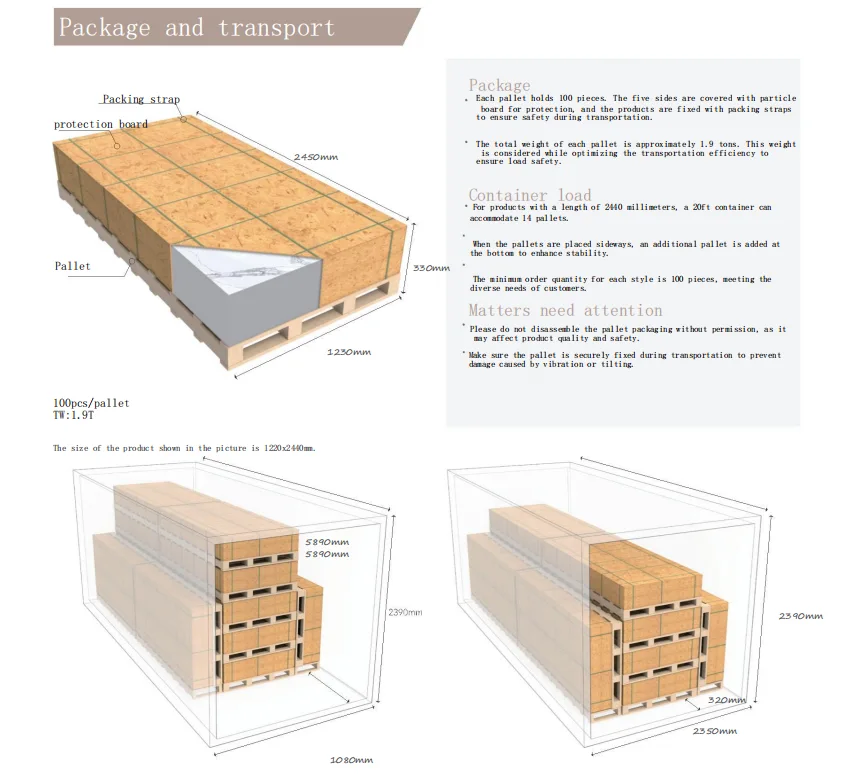
MOQ is flexible and depends on design and thickness. Standard delivery is 25–30 days. We support mixed container loading for distributors and project buyers requiring multiple finishes. Contact our export team with your material list and destination port for a quotation.
Hot Tags: Fireproof SPC Wall Panels For Kitchens
Related Category
WPC Wall Panels
PVC Wall Panels
Carbon Crystal Wall Panels
Bamboo Charcoal Wall Panels
PS Wall Panels
Acoustic Wall Panels
SPC Wall Panels
PE Panels
Send Inquiry
Please feel free to give your inquiry in the form below. We will reply you in 24 hours.