
Products

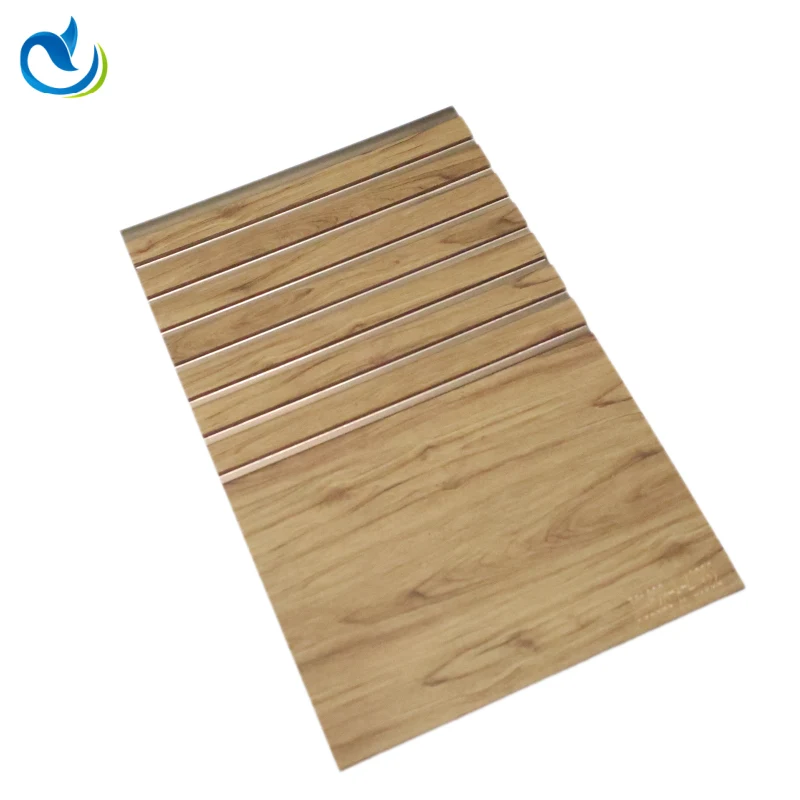
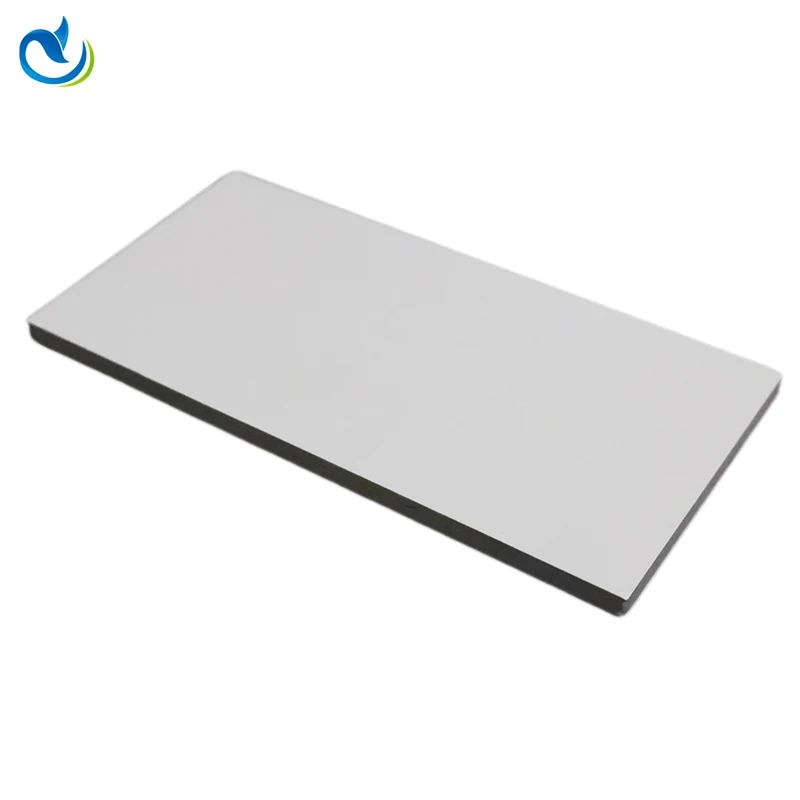
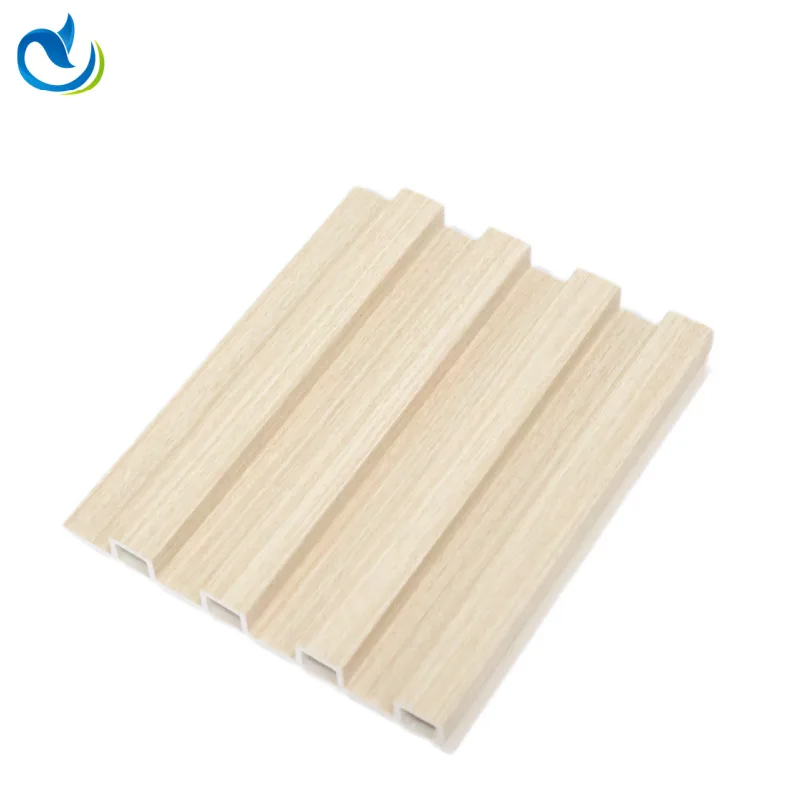
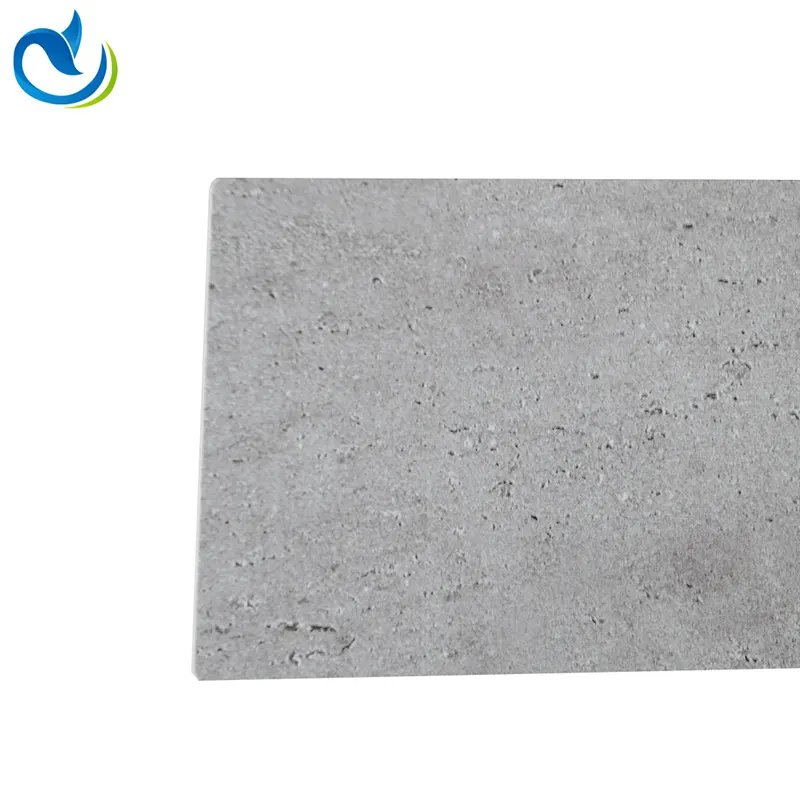
SPC Waterproof Wall Panel
ARRIS SPC Waterproof Wall Panels are a high-density, stone-polymer composite engineered to outperform traditional interior cladding materials. They function as a single-sheet replacement for granite slabs, ceramic tiles, ice-fire panels, wood finishes, and ABS laminates, eliminating the weight, installation labor, and moisture vulnerability of those materials. Every panel is manufactured in our ISO 9001 and ISO 14001 certified facilities, and its core performance metrics are validated by SGS third-party testing.
Send Inquiry
Product Description
SPC waterproof wall panels are a "cross-border new material" that can replace granite slabs, tiles, ice and fire boards, wood finishes, and ABS.
Advantage
Arris damp-proof SPC wall panels are made by hot pressing natural stone powder and polyvinyl chloride resin, with high hardness and impact resistance, and are not easily deformed or cracked after long-term use.
The SPC Waterproof Wall Panels meet the E0 level environmental protection standard. They do not contain harmful substances such as formaldehyde. You can move in after installation.
Closed cell structure, 100% moisture-proof, SPC wall sheets can also be used in the bathroom and kitchen to keep dry.
Installation is convenient. The lock-type assembly process allows for direct coverage of the old wall surface.
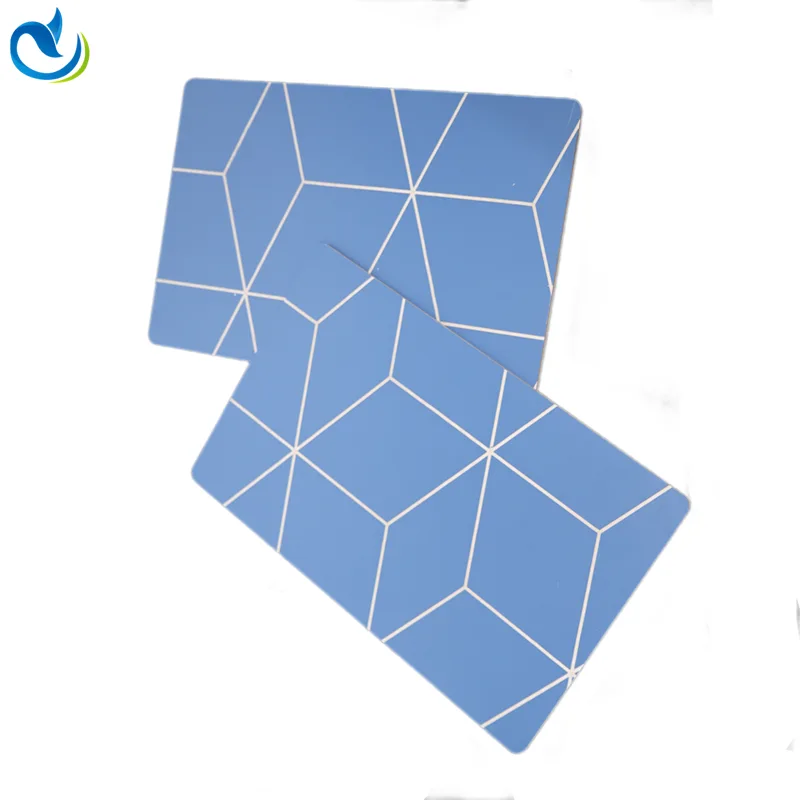
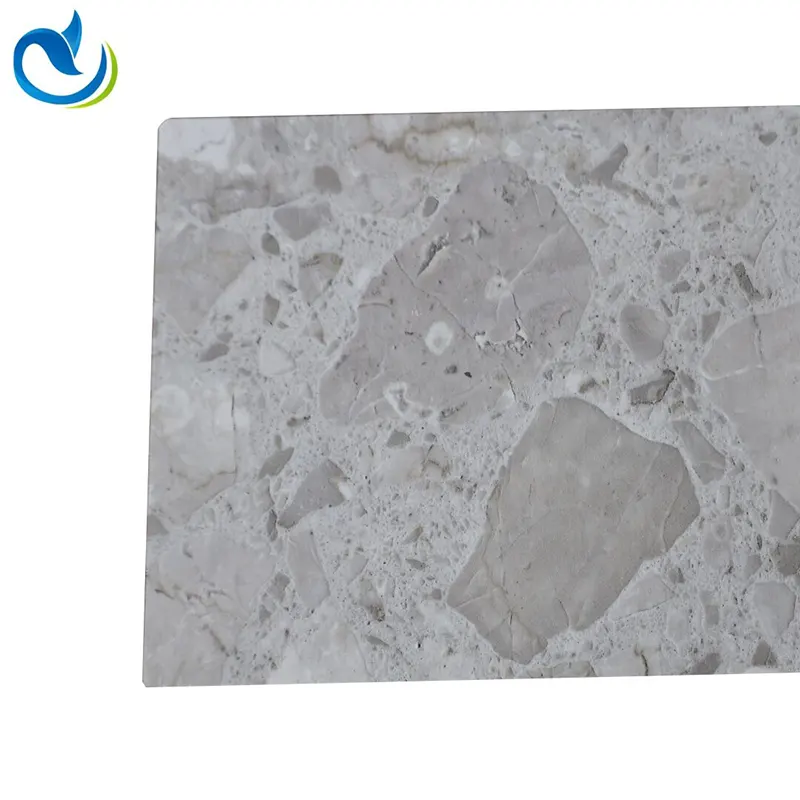
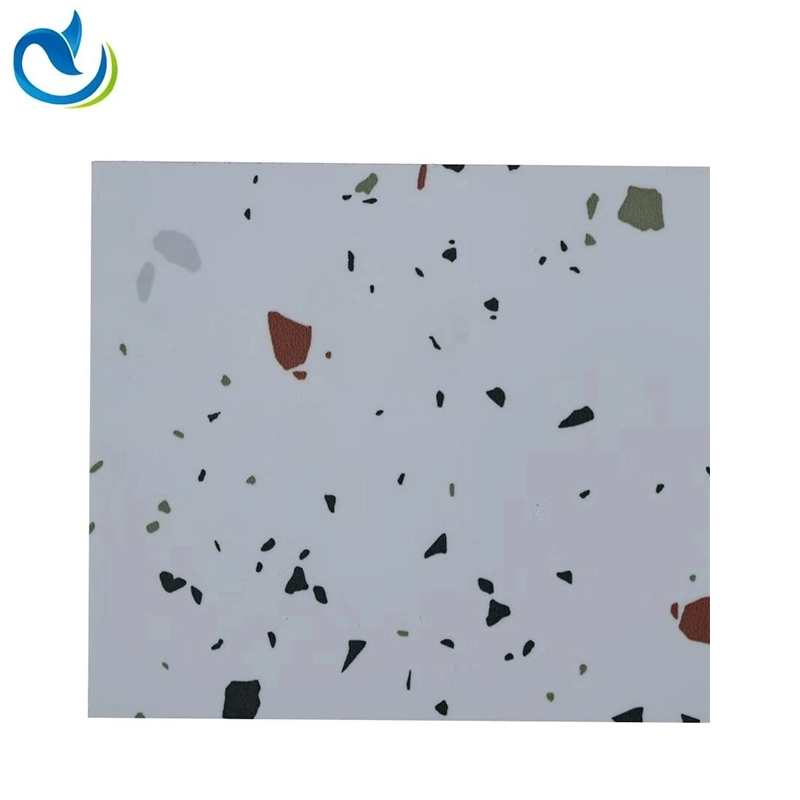
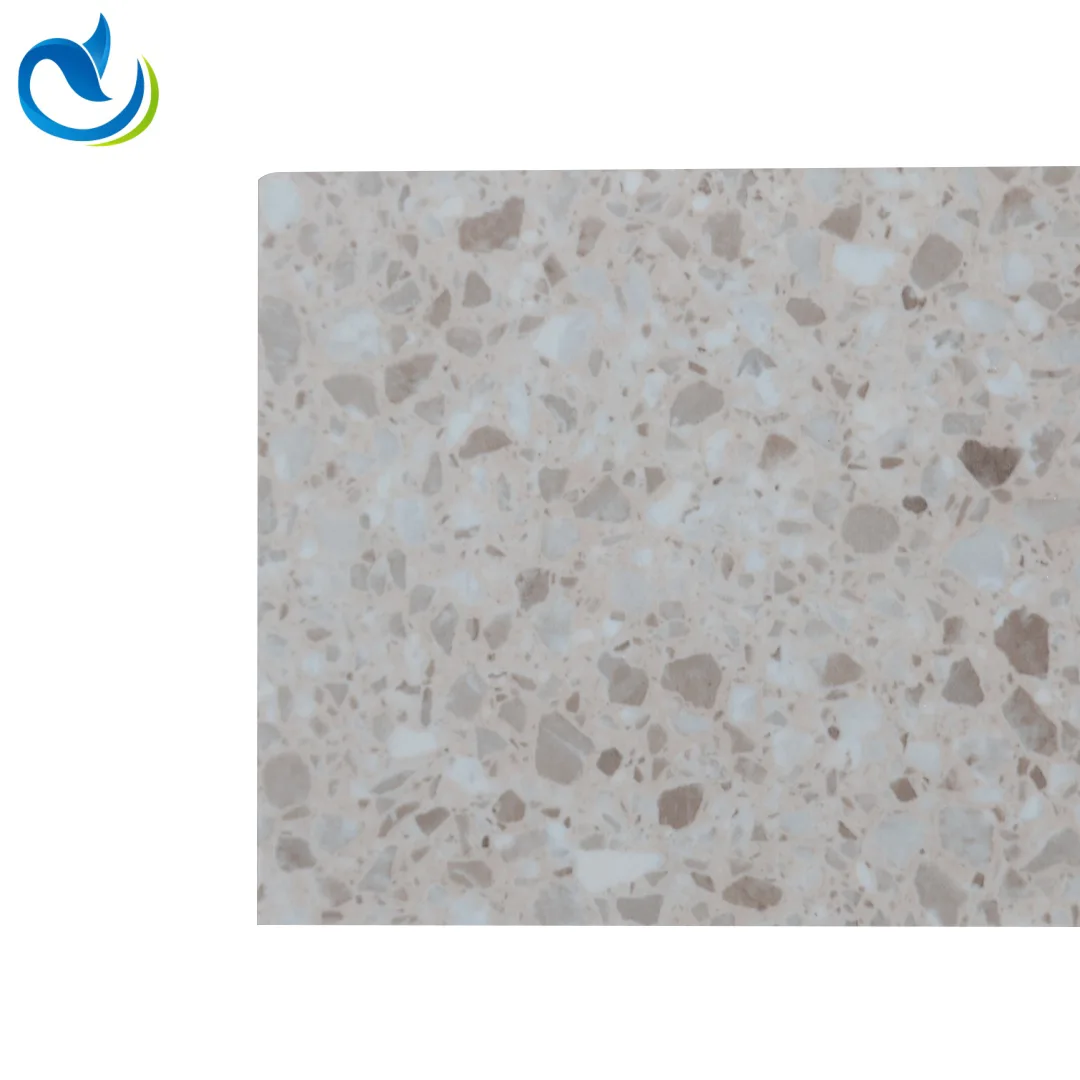
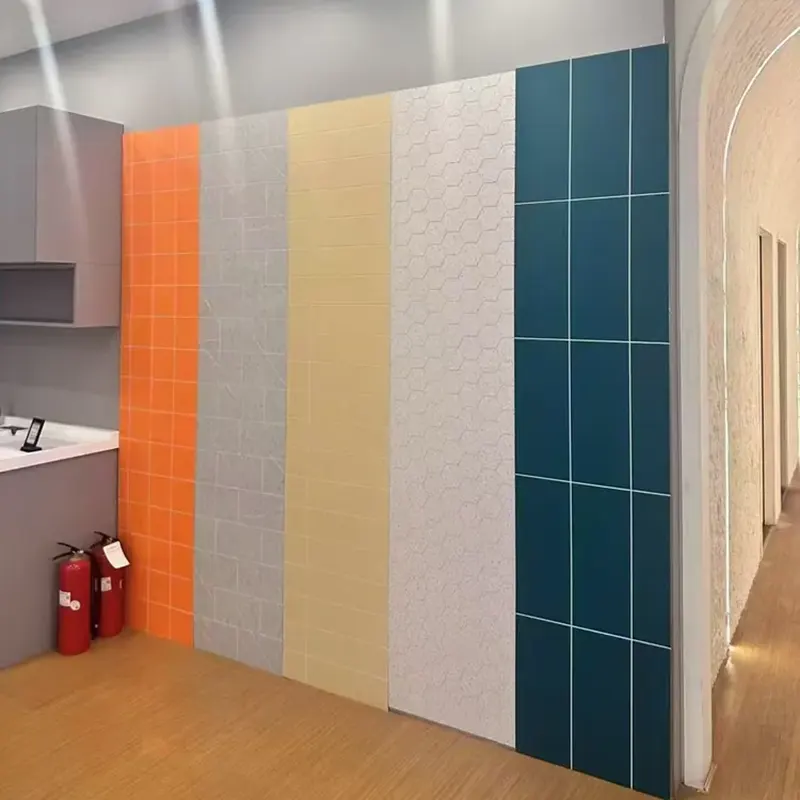
The surface pattern of SPC damp-proof wall sheets is printed using ultra clear digital printing, decorative film, or color film.The surface of the product features a mirror-like high gloss or soft light skin texture, or wood grain, stone texture, leather texture, fabric texture, metal texture and terrazzo texture, etc.It is suitable for various decoration styles.
Disadvantage
When using SPC Waterproof Wall Panels for decoration, the initial cost is slightly higher than that of latex paint.But with a longer overall service life, it is more cost-effective.
There is a significant difference in the base materials.Small factories may use recycled materials, leading to unstable performance.Therefore, it is necessary to choose a reputable manufacturer with E0 certification and ten-ring certification, such as Zhejiang Arris Import & Export Co., Ltd.
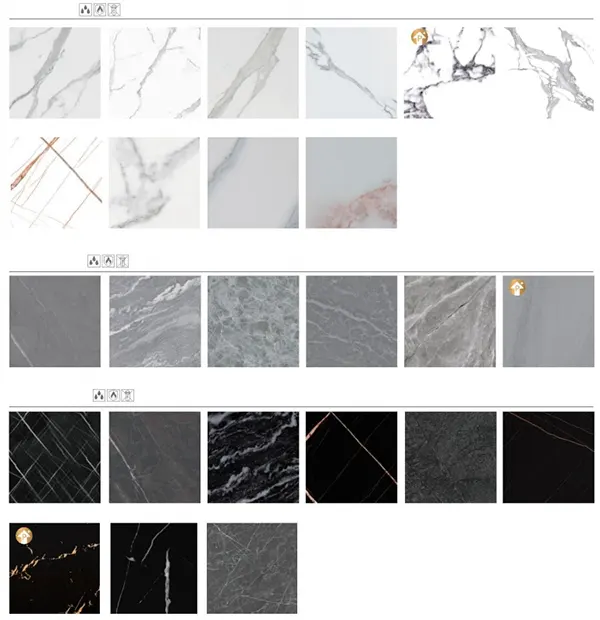
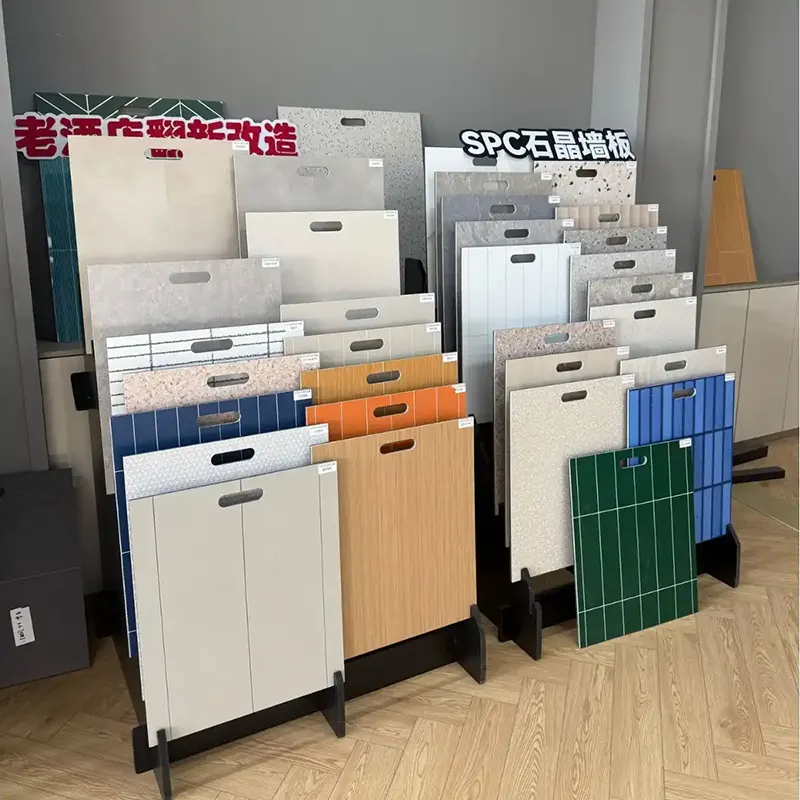
Sample Display
FAQ
1. Can SPC wall panels truly be submerged in water without damage?
Yes. SPC is a non-hygroscopic, closed-cell material. ARRIS panels have been tested under continuous 72-hour water immersion with no measurable thickness swell, edge warping, or bond failure. This is why they are approved for zero-curb shower walls and bathroom partitions.
2. How does SPC compare to traditional ceramic tile?
SPC installs in a fraction of the time using a dry click-lock method—no wet mortar, grout, or sealing required. It is inherently warmer to the touch than tile, more slip-resistant as a wall surface, and completely eliminates grout mold problems. For renovation, it can be laid directly over existing tile, saving demolition costs.
3. Is the surface scratch and stain resistant?
The transparent wear layer is UV-cured and rated for high-traffic commercial use. Common household chemicals, iodine, and even permanent markers can be cleaned without ghosting. Key scratch tests show no permanent white lines under normal force. For extreme industrial abrasion, consult our technical team for the most suitable grade.
4. How does Arris guarantee environmental and health safety?
We supply third-party SGS test documentation with each shipment upon request, confirming non-detectable formaldehyde and heavy metals. Our panels carry the China Ten-Ring Environmental certification, and the manufacturing sites operate under ISO 14001 environmental management. We use 100% virgin PVC and natural stone powder in our core recipe—no post-consumer recycled materials that could introduce contaminants.
5. What is the maximum continuous length, and can the panels be bent?
Standard panels come in sizes up to 3000mm in height. The material is rigid and not designed for curved walls without heat-forming; however, special moldings and trims allow for corners, columns, and seamless joints. For custom curved applications, please contact our R&D center to explore thermoforming possibilities.
6. How do I differentiate a high-quality SPC panel from a low-quality one?
Examine the cross-section: a dense, uniform color with no dark specks indicates virgin material. Ask for the SGS ignition and formaldehyde reports—refusal to provide them is a red flag. Check the locking profile: precision-milled joints should snap together with an audible click and leave a hairline seam. Finally, verify the manufacturer’s certifications; a lack of Ten-Ring or CE compliance points to uncertified production.
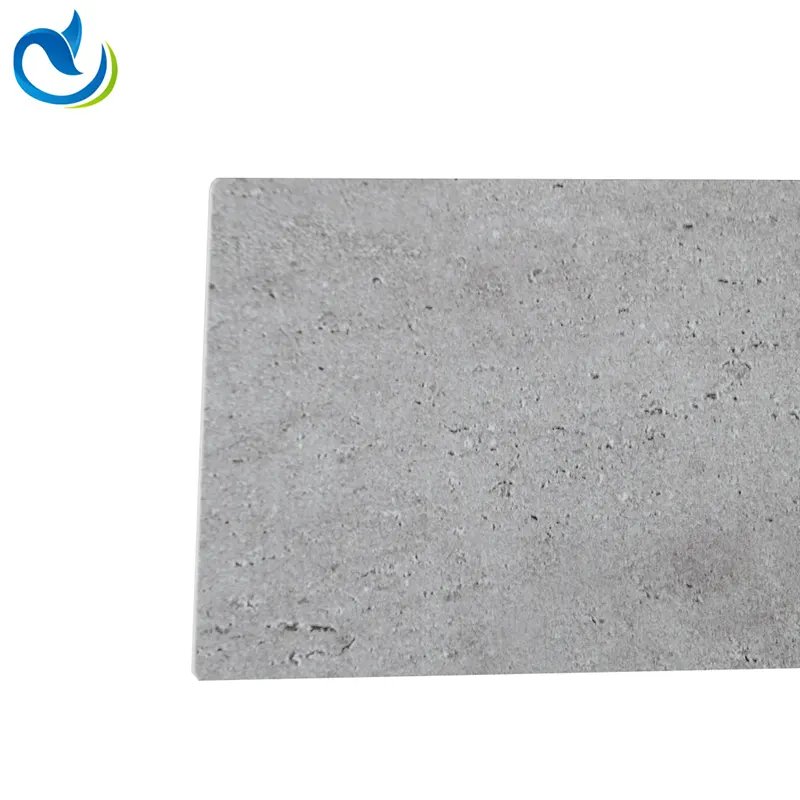
Hot Tags: SPC Waterproof Wall Panel
Related Category
WPC Wall Panels
PVC Wall Panels
Carbon Crystal Wall Panels
Bamboo Charcoal Wall Panels
PS Wall Panels
Acoustic Wall Panels
SPC Wall Panels
PE Panels
Send Inquiry
Please feel free to give your inquiry in the form below. We will reply you in 24 hours.